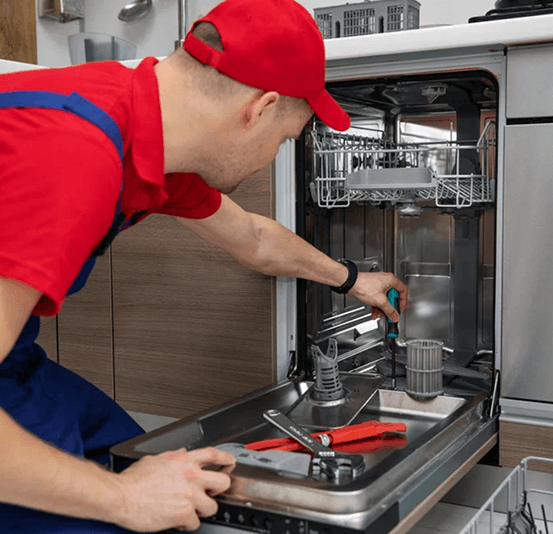
Finding water on the kitchen floor after running a dishwasher is a problem many homeowners experience. Even a small leak can damage flooring, kitchen cabinets, and nearby appliances if it continues unnoticed. In many cases, the leak starts as a minor issue but gradually becomes worse when regular maintenance is ignored.
If you notice Dishwasher Water Leakage, the cause may be a damaged door seal, clogged drain, loose hose, faulty pump, or worn internal component. Some leaks appear only during certain stages of the wash cycle, making them difficult to identify without proper inspection. Understanding the real causes helps you take action early and prevent costly water damage.
A dishwasher uses several water control systems to fill, circulate, and drain water safely. When any part of this system develops a fault, water can escape from the appliance instead of remaining inside the tub. Learning how these components work makes it easier to understand why leaks happen.
Damaged Door Seal Allows Water to Escape
The door gasket creates a watertight seal around the dishwasher during operation. When this rubber seal becomes worn, cracked, or dirty, water can leak from the front of the appliance while the wash cycle is running. Regular inspection helps prevent this common problem.
Worn Rubber Gasket
The rubber gasket naturally hardens and loses flexibility after years of use. Small gaps appear around the door, allowing water to escape during washing. Replacing the worn gasket restores a proper seal.
Dirt Around the Seal
Grease, detergent residue, and food particles can collect on the door seal. This prevents the gasket from sealing tightly and allows small amounts of water to leak. Cleaning the seal regularly improves performance.
Torn Door Seal
A torn or damaged gasket cannot hold water inside the dishwasher effectively. Even a small tear may allow continuous leakage during every wash cycle.
Misaligned Door
A door that does not close evenly creates pressure gaps around the gasket. Proper door alignment helps maintain a secure, watertight seal.
Loose Door Hinges
Loose hinges affect door positioning and reduce sealing pressure. Tightening or replacing worn hinges improves leak prevention.
Drain Hose Problems Cause Water Leaks
The drain hose removes dirty water from the dishwasher after every wash cycle. Damage or poor installation of this hose often leads to leaks underneath or behind the appliance.
Cracked Drain Hose
Rubber hoses may crack due to age or repeated movement. Small cracks gradually allow water to escape during draining. Replacing damaged hoses prevents further leakage.
Loose Hose Connections
Loose hose clamps or fittings allow water to leak while the drain pump is operating. Securing all connections restores proper drainage.
Blocked Drain Hose
Food particles and grease can partially block the drain hose. Increased pressure inside the hose may force water through weak connections or damaged sections.
Incorrect Hose Installation
A poorly installed drain hose may bend sharply or develop unnecessary strain. Correct installation supports smooth drainage and reduces leak risks.
Worn Hose Clamps
Old clamps lose their grip over time and allow hose connections to loosen. Installing new clamps creates a secure seal.
Faulty Water Inlet Valve Creates Overflow
The water inlet valve controls how much water enters the dishwasher. When it fails, excessive water may enter the appliance, increasing the risk of overflow and leakage.
Valve Stuck Open
A faulty valve may continue allowing water into the dishwasher after the correct level has been reached. Excess water eventually leaks from the appliance.
Damaged Valve Seal
Internal valve seals wear over time and may allow continuous dripping even when the dishwasher is switched off.
Mineral Deposits
Hard water minerals can prevent the inlet valve from closing completely. Cleaning or replacing the valve restores normal operation.
Electrical Valve Failure
Electrical faults may stop the valve from opening or closing correctly. Proper testing identifies damaged valve components.
High Water Pressure
Excessive household water pressure places extra stress on the inlet valve and increases the chance of leakage.
Pump and Motor Leaks
The circulation and drain pumps move water throughout the dishwasher. Damaged pump seals or cracked pump housings often cause water to collect underneath the appliance.
Worn Pump Seal
Pump seals prevent water from escaping around the motor shaft. When worn, water leaks beneath the dishwasher during operation.
Cracked Pump Housing
Plastic pump housings may crack because of age or accidental damage. Water escapes through these cracks during washing.
Loose Pump Connections
Loose mounting bolts or hose fittings around the pump allow water to leak while the pump operates.
Motor Seal Damage
Motor seals protect electrical components from moisture. Damaged seals increase the risk of both leakage and electrical problems.
Pump Component Wear
Continuous operation gradually wears internal pump parts. Replacing worn components restores proper water circulation.
Spray Arm Problems Lead to Water Splashing
Spray arms play an important role in distributing water evenly throughout the dishwasher during every wash cycle. If they become cracked, blocked, loose, or obstructed, water may spray in the wrong direction. This increases pressure near the door seal, leading to leaks and reducing the dishwasher’s overall cleaning performance.
Cracked Spray Arms
Cracked spray arms cannot direct water evenly across the dishwasher. Instead, water escapes through damaged areas and may spray directly toward the door seal. Replacing cracked spray arms restores proper water distribution and helps prevent unnecessary leakage.
Blocked Spray Holes
Food particles, grease, or mineral deposits can block the small spray holes. This changes the spray pattern and increases water pressure inside the arm. Cleaning blocked holes restores balanced water flow and reduces the chance of water leaking.
Loose Spray Arm
A loose spray arm may wobble or rotate unevenly during the wash cycle. This causes water to spray toward the door instead of the dishes. Tightening or replacing the spray arm helps restore proper operation and prevents leakage.
Incorrect Spray Pattern
Damaged or partially blocked spray arms create uneven water distribution throughout the dishwasher. Water may repeatedly hit the door seal instead of reaching the dishes properly. Repairing the spray arm restores effective cleaning and reduces water escape.
Spray Arm Obstruction
Large plates, trays, or cookware can block the spray arm from rotating freely. Restricted movement changes the direction of water flow and increases pressure near the door. Correctly arranging dishes helps prevent spray arm obstruction and leakage.
Dishwasher Loading Mistakes
The way dishes are loaded inside the dishwasher directly affects water circulation and cleaning performance. Incorrect loading can block spray arms, prevent the door from sealing correctly, and redirect water toward the front of the appliance. Proper loading reduces leaks and allows every dish to receive effective cleaning.
Overloaded Racks
Placing too many dishes inside the dishwasher limits water circulation and prevents spray arms from reaching every item. Excessive loading also increases water pressure near the door seal, making leaks more likely during the wash cycle.
Large Pots Blocking Spray
Large pots, baking trays, or cutting boards can block spray arm rotation and redirect water toward the dishwasher door. Positioning oversized cookware correctly allows water to circulate freely and reduces the risk of leakage.
Incorrect Rack Arrangement
Improper placement of dishes restricts water movement and prevents spray arms from cleaning efficiently. Poor rack arrangement may also redirect water toward the front door, increasing splash pressure and causing water to leak outside.
Dishes Preventing Door Closure
Plates, utensils, or cookware extending beyond the racks may stop the dishwasher door from closing completely. Even a small opening weakens the door seal, allowing water to escape during washing and creating leaks around the appliance.
Following Loading Instructions
Following the manufacturer’s loading recommendations allows proper water circulation and unrestricted spray arm movement. Correct dish placement improves cleaning performance, protects internal components, and significantly reduces the possibility of dishwasher water leakage during every wash cycle.
Wrapping Up:
Dishwasher leaks usually develop because of worn door seals, damaged hoses, faulty inlet valves, pump seal failures, blocked spray arms, or incorrect loading practices. Many of these problems begin as small leaks that gradually become larger if they are ignored. Regular maintenance, careful inspection, and timely replacement of worn components help prevent water damage and keep the dishwasher operating efficiently.
If water leakage continues after basic maintenance, professional diagnosis becomes the safest solution. Hidden faults inside the pump, water supply system, or internal seals often require specialized tools and technical experience. UAE Appliances Repair provides professional dishwasher inspection and repair services to identify the exact cause of leaks, restore proper operation, and help protect your kitchen from unnecessary water damage.