
What Active Older Adults Should Know About Creatine and HMB
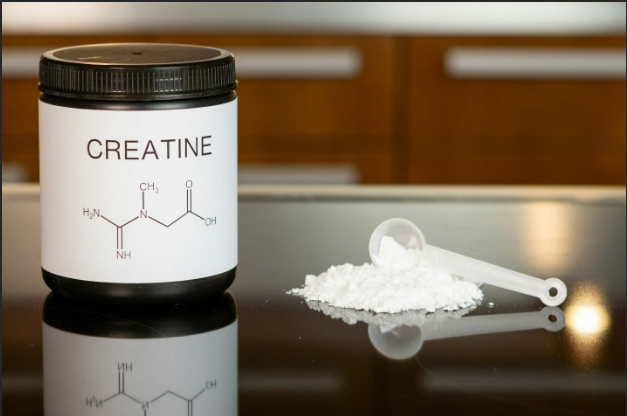
Staying active later in life is not only about exercising more. Strength, mobility, recovery, nutrition, and consistency all matter. That is why creatine and HMB often come up in conversations about supplements for active older adults.
The two ingredients are different. Creatine supports rapid energy production during short, demanding efforts such as resistance exercise. HMB is a metabolite of leucine studied for its possible role in muscle protein balance and recovery. Neither replaces training, protein, sleep, or appropriate medical guidance.
Why Creatine and HMB Are Discussed in Active Aging
Creatine Is Closely Linked with Strength-Oriented Exercise
Creatine is stored in muscle as phosphocreatine and helps regenerate ATP, an energy source muscles use during short bursts of demanding work. This is why creatine is commonly associated with resistance training rather than long-duration endurance activity.
Research involving older adults has generally focused on whether creatine adds anything when exercise is already part of the routine. A 2025 systematic review found that creatine combined with exercise training improved one-repetition maximum strength compared with exercise training alone. The NIH also identifies creatine monohydrate as the most widely studied form of creatine.
One thing active adults should expect is that creatine may increase body weight because more water is stored within the muscle. An early change on the scale should therefore not automatically be treated as fat gain.
HMB Has a Different Role and Less Certain Benefits
HMB, or beta-hydroxy-beta-methylbutyrate, is produced naturally from leucine. It has been studied for possible effects on muscle protein breakdown, recovery, and physical function.
Its benefits are less certain, especially for people who are already capable of structured exercise. A 2026 meta-analysis involving adults aged 50 and older found that adding HMB to resistance training did not significantly improve muscle mass or strength overall. PubMed
That does not mean HMB has no possible use. It means older adults should avoid assuming that adding it automatically produces additional muscle or strength.
How Creatine and HMB Fit into an Active Older Adult’s Routine
Start With the Training Program
Supplements should support a sensible routine, not become the routine itself.
For adults interested in maintaining strength, resistance exercise should challenge major muscle groups and gradually become more demanding as ability improves. Progress might come from adding resistance, completing additional repetitions, or performing movements with better control.
Creatine may be more relevant when exercise involves repeated strength or power efforts. HMB should be approached with more modest expectations because its added benefit alongside structured resistance training remains uncertain.
Do Not Let Supplements Replace Protein and Good Nutrition
Muscle maintenance also depends on adequate food.
Someone who consistently under-eats protein or total calories may need to improve their meals before focusing heavily on supplements. A creatine and HMB supplement does not replace protein-rich foods because creatine, HMB, and dietary protein perform different roles.
Regular meals should still supply protein, carbohydrates, fats, vitamins, minerals, and enough fluids to support activity and recovery.
Pay Attention to Recovery
What happens between workouts matters too.
Watch for persistent soreness, unusual fatigue, poor sleep, or repeatedly feeling unprepared for the next session. Those signs may suggest that training volume, intensity, nutrition, or recovery needs attention.
Instead of tracking only body weight, active older adults can watch:
- Strength or resistance used
- Repetitions completed
- Walking and general mobility
- Training consistency
- Recovery between sessions
If those measures are moving in the wrong direction, simply adding another supplement may not address the actual problem.
What to Check Before Buying a Creatine and HMB Supplement
Read the Supplement Facts Panel
Start with the amount of each active ingredient per serving. Then check the serving size, additional ingredients, allergens, and directions.
Combination products can differ considerably. Two supplements carrying Creatine and HMB on the front label may provide very different amounts once you read the Supplement Facts panel.
Evaluate the Product, Not Just the Store
An online shopping store may sell supplements beside completely unrelated products, from flavored cuticle oils and lemon options to kitchen tools advertised as the best vegetable chopper. Having a broad catalog is convenient, but it tells you little about supplement quality.
For supplements, look for clear manufacturer information, complete labeling, lot or batch identification, and credible independent testing when available.
In other words, judge the individual supplement rather than assuming everything sold by the same retailer receives identical quality checks.
Consider Health Conditions and Medications
Older adults are also more likely to be managing chronic conditions or taking multiple medications.
The NIH advises people considering performance supplements to discuss them with a healthcare provider when medications or medical conditions are involved. ODs, this deserves particular attention for people with kidney disease, complex medication routines, or recent changes in health.
Keep Expectations Realistic
“A supplement can support a routine. It cannot become the routine.”
Creatine and HMB cannot replace progressive exercise, adequate food, protein, sleep, or recovery. They also cannot make an unsuitable training program safe.
For active older adults, success does not have to mean dramatic changes in body weight or appearance. Maintaining strength, moving comfortably, continuing regular activity, and staying consistent can be far more useful measures over time.
Conclusion
Supplements are easiest to evaluate when the basics around them are already clear.
For active older adults considering Creatine and HMB, that means first looking at training, nutrition, recovery, medications, and overall health. Creatine currently has stronger support for strength-oriented exercise, while expectations around HMB should remain more measured.
The aim is not to add as many products as possible. It is to make choices that genuinely support an active routine without distracting from the habits that do most of the work.
FAQs
Is HMB the same as protein?
No. HMB is produced from the amino acid leucine, but it does not provide the complete amino acid profile or nutritional role of dietary protein.
Does creatine only benefit bodybuilders?
No. Creatine has been studied in many populations, including older adults participating in structured exercise programs.
Should body weight be the main way to judge progress?
No. Strength, mobility, training consistency, and recovery can provide useful information alongside body weight, especially because creatine may increase the water stored in muscle.