What Are the Signs of a Worn Garage Door Weather Strip?
A garage door does more than provide access to your garage. It also helps protect your home from outdoor elements, including rain, dust, insects, humidity, and unwanted air. One small component that plays an important role in this protection is the garage door weather strip. Installed along the bottom and sometimes around the sides and top of the door, weather stripping creates a barrier between the garage and the outside environment.
Over time, however, this material can become worn, cracked, loose, or damaged. When that happens, your garage door may no longer seal properly against the floor or surrounding frame. Even if the door opens and closes normally, damaged weather stripping can allow moisture, debris, and pests to enter.
Recognizing the signs of a worn garage door weather strip can help homeowners address minor problems before they lead to more expensive repairs. Understanding what to look for is particularly useful in Florida, where heavy rainfall, humidity, and changing weather conditions can put additional stress on garage door components.
What Is a Garage Door Weather Strip?
A garage door weather strip is a flexible sealing material designed to close the gaps between the garage door and its surrounding surfaces. It is commonly made from rubber, vinyl, or other weather-resistant materials that can withstand regular exposure to outdoor conditions.
There are several types of garage door weather stripping. Bottom seals attach to the lower edge of the garage door and create contact with the floor when the door closes. Side and top weather seals are installed around the garage door frame to reduce gaps along the perimeter.
Each type serves a slightly different purpose, but they all contribute to protecting the garage interior. A properly installed weather strip helps keep outdoor air, water, insects, and dirt from entering through small openings.
Because weather stripping remains exposed to temperature changes, moisture, friction, and repeated door movement, it gradually loses its flexibility and sealing ability.
Signs Your Garage Door Weather Strip Needs Replacement
Weather stripping does not usually fail all at once. Instead, it develops visible and functional problems that become more noticeable over time. The following signs can help you determine whether your garage door seal needs attention.
Visible Cracks and Splits
One of the easiest ways to identify a worn weather strip is by looking for cracks, splits, or tears along its surface. Rubber and vinyl materials can become brittle after prolonged exposure to sunlight, heat, and moisture.
When the material starts breaking apart, it can no longer create a consistent seal against the garage floor or door frame. Even small cracks may allow water, insects, and outdoor air to enter.
Inspect the entire length of the bottom seal, paying particular attention to the corners and areas that experience frequent contact with the ground. If you notice several cracks or sections breaking away, replacement may be necessary.
Water Entering the Garage
Water entering your garage during rainfall is another common indication of damaged weather stripping. The bottom seal is designed to close the gap between the garage door and the floor. When it becomes flattened, torn, or separated, rainwater can find its way underneath.
You may notice damp patches near the entrance, water trails along the garage floor, or moisture collecting around stored belongings.
Florida homeowners should pay particular attention to this issue because heavy rain and storms can expose weaknesses in garage door seals. A damaged weather strip may allow water to enter even when the garage door appears completely closed.
However, water intrusion can also result from uneven flooring, drainage problems, or an improperly aligned door. A professional inspection can help identify the actual source.
Increased Dust and Dirt Inside the Garage
A properly functioning weather strip helps prevent outdoor dust, leaves, and small debris from entering the garage. If you frequently find dirt collecting near the garage entrance, the bottom seal may no longer be making proper contact with the floor.
You might notice dust accumulating around storage shelves, vehicles, tools, and other belongings. Small leaves or debris may also collect along the edges of the garage door.
Although occasional dirt is normal, a noticeable increase in debris near the entrance can indicate gaps in the weather seal.
Replacing damaged weather stripping can help restore the barrier and reduce the amount of outdoor debris entering your garage.
Insects and Small Pests Getting Inside
Small gaps around a garage door can provide an easy entry point for insects and other pests. Ants, spiders, roaches, and other unwanted visitors may enter through spaces created by deteriorating weather stripping.
If you regularly notice insects gathering near the garage entrance, inspect the bottom and side seals for gaps or damaged sections.
Even a small opening can be enough for certain pests to enter. Damaged seals may also allow outdoor moisture to collect inside the garage, creating conditions that attract insects.
Replacing worn weather stripping can help close these entry points and improve the overall protection of your garage.
The Weather Strip Looks Flattened or Compressed
Weather stripping is designed to remain flexible so it can form a tight seal when the garage door closes. However, repeated pressure from the door gradually compresses the material.
A worn bottom seal may appear unusually flat, thin, or uneven compared with its original shape. Instead of maintaining contact with the garage floor, it may leave small openings beneath the door.
This problem is especially noticeable when the garage floor is slightly uneven. A flexible seal should adjust to minor surface variations, but an old and compressed strip may no longer have enough material to do so.
If the seal has lost its original shape and flexibility, replacing it is generally more effective than trying to reshape it.
Daylight Is Visible Under the Closed Garage Door
Another useful way to check your garage door weather strip is to inspect the bottom edge from inside the garage during daylight.
Close the garage door completely and look along its lower edge. If you can see sunlight coming through several areas, the seal may not be making proper contact with the floor.
Small gaps can develop because of worn weather stripping, uneven flooring, or problems with the garage door’s alignment.
Pay attention to both corners and the center of the door. If the opening appears inconsistent, the issue may involve more than the weather strip itself.
A professional garage door inspection can determine whether the seal needs replacement or whether additional adjustments are required.
The Material Has Become Hard and Brittle
Weather stripping should remain flexible enough to compress when the garage door closes and return to its normal shape afterward.
As the material ages, it may become stiff, hard, and brittle. This is particularly common with rubber and vinyl seals that experience regular exposure to sunlight and temperature changes.
A brittle weather strip may crack when touched or break apart during normal garage door operation.
If the material no longer bends easily or feels unusually rigid, it may have reached the end of its useful life.
The Weather Strip Is Loose or Pulling Away
Weather stripping can also become loose due to worn mounting points, damaged retainers, or repeated movement of the garage door.
You may notice sections hanging down, separating from the bottom edge, or pulling away from the sides of the frame.
A loose seal cannot maintain consistent contact with the surrounding surfaces. It may also become caught or dragged when the garage door opens and closes.
In some cases, the mounting hardware or retainer may be damaged rather than the weather strip itself. Having both components inspected can help prevent the same issue from returning.
Why Does Garage Door Weather Stripping Wear Out?
Several factors contribute to the deterioration of garage door weather seals.
Sunlight and UV exposure: Direct sunlight can gradually break down rubber and vinyl materials, causing them to lose flexibility and develop cracks.
Heat and humidity: Florida’s warm and humid climate can accelerate material deterioration. Constant exposure to moisture may also affect certain sealing materials and their mounting components.
Frequent garage door operation: Every opening and closing cycle creates movement and pressure along the bottom seal. Over time, this repeated contact contributes to compression and wear.
Standing water: Water that regularly collects near the garage entrance can increase the exposure of the bottom seal to moisture and debris.
Improper installation: A weather strip that is incorrectly sized, installed unevenly, or attached with unsuitable hardware may deteriorate sooner than expected.
Understanding these causes can help homeowners take better care of their garage door weather stripping and recognize when maintenance is necessary.
What Problems Can a Worn Weather Strip Cause?
Ignoring damaged weather stripping can affect more than the cleanliness of your garage. A compromised seal can gradually create several problems.
Reduced Energy Efficiency
Gaps around the garage door allow outdoor air to enter and conditioned air to escape. If your garage is connected to your home, this can affect indoor comfort and place additional demand on your heating and cooling system.
A properly fitted weather strip helps reduce unwanted air movement and supports better temperature control.
Moisture Damage
Water entering through damaged seals can affect cardboard boxes, stored furniture, tools, and other belongings. Repeated moisture exposure may also contribute to corrosion, unpleasant odors, and mold growth when conditions allow.
Replacing worn seals helps reduce one potential source of water intrusion.
Increased Pest Activity
Small openings provide access for insects and other pests. Once inside, they may move toward storage areas or other parts of the home.
Maintaining the weather seal helps reduce these unwanted entry points.
Reduced Garage Protection
A garage door is an important part of your home’s exterior protection. Damaged weather stripping can leave unnecessary gaps around the closed door, reducing its ability to keep outdoor elements away from the interior.
For homeowners interested in maintaining their property’s appearance and condition, paying attention to smaller components like weather stripping is worthwhile. Similar considerations apply when evaluating larger improvements, such as those discussed in Does a New Garage Door Increase Home Value?.
How Can You Maintain Garage Door Weather Stripping?
Regular inspection and basic maintenance can help extend the useful life of your garage door weather strip.
Start by visually inspecting the bottom, sides, and top of the garage door. Look for cracks, gaps, loose sections, and areas where the material appears flattened.
Clean the weather strip periodically using a mild cleaning solution and a soft cloth. Removing dirt and debris helps prevent buildup around the sealing surface. Avoid harsh chemicals that could damage rubber or vinyl materials.
Keep the garage floor near the entrance free from leaves, stones, and other debris that may interfere with the seal. Also, check whether water regularly collects near the garage door after rainfall.
When inspecting the seal, pay attention to the garage door’s closing position. The door should meet the floor evenly without leaving noticeable gaps or creating excessive pressure on the weather strip.
If the material is significantly damaged, replacing it with a compatible seal is usually the best solution. Make sure the replacement matches the garage door’s design and retainer system.
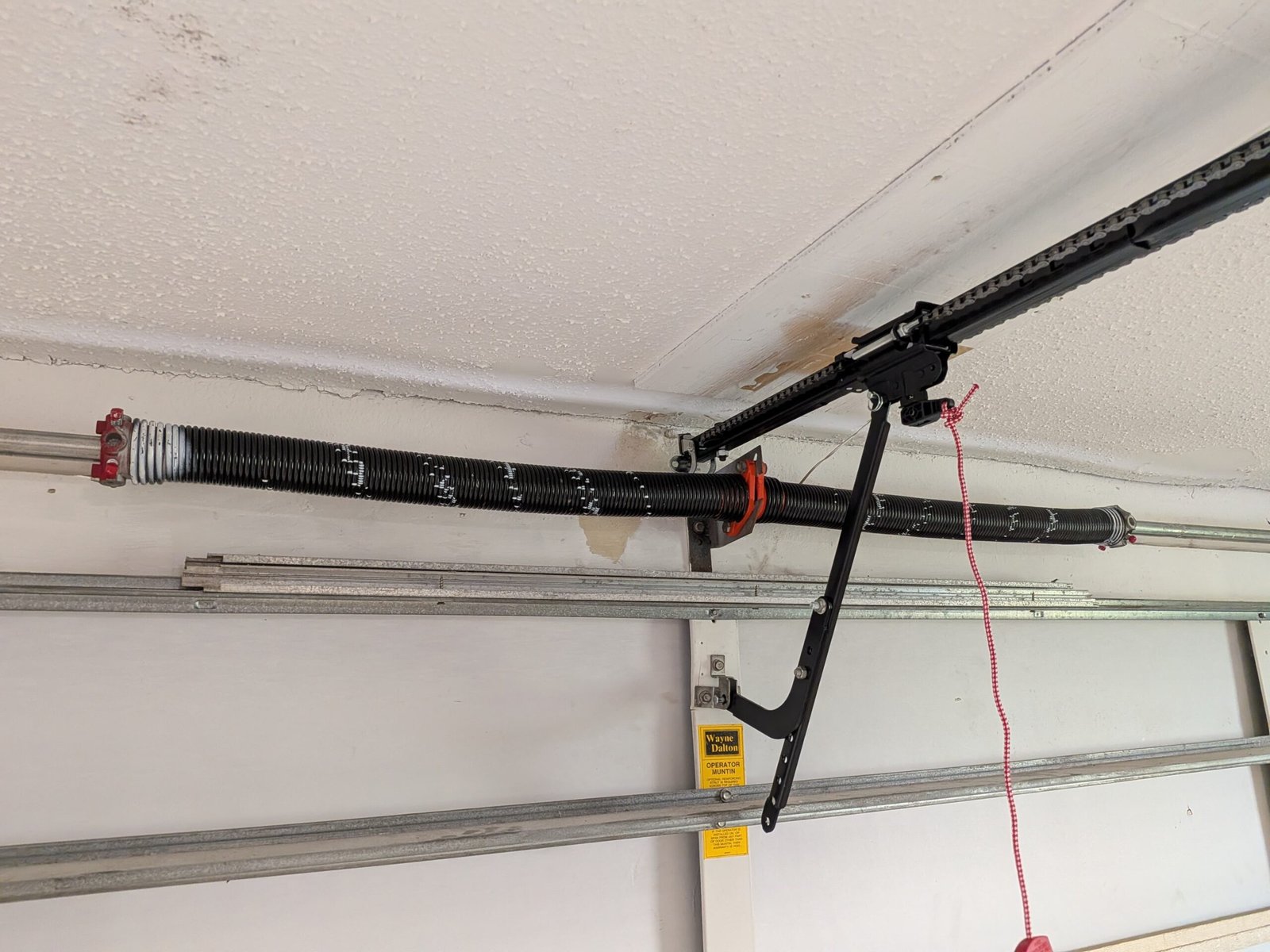
Avoid adjusting the garage door’s spring tension, cables, or other high-tension components yourself. These parts can cause serious injuries if handled incorrectly.
When Should You Call a Professional for Garage Door Repair?
Some weather strip problems are straightforward, but others may indicate a larger garage door issue.
For example, if a new seal still leaves gaps, the garage door may not be properly aligned. Uneven closing, damaged tracks, worn rollers, and problems with the door’s operating mechanism can all affect how effectively the weather strip contacts the floor.
A professional inspection can help identify the underlying cause rather than simply replacing the visible damaged material.
Homeowners experiencing multiple garage door problems should consider professional Garage Door Repair to evaluate the door’s overall condition. Addressing alignment issues, damaged components, and worn seals can help restore proper operation and improve protection.
If you live in North Port, Florida, Phil’s Garage Doors also provides local Garage Door Repair North Port services. Professional assistance can help homeowners identify weather seal problems and determine whether replacement or additional repairs are needed.
Why Weather Strip Maintenance Matters for Florida Homeowners
Florida’s climate creates several challenges for garage door weather stripping. High temperatures, strong sunlight, humidity, and seasonal rainfall can gradually affect the condition of sealing materials.
During periods of heavy rain, even a small opening beneath the garage door can allow water to enter. High humidity can also make moisture control more difficult, particularly in garages used for storage.
Regularly checking the weather strip is a simple way to identify potential problems before they become more noticeable. Homeowners should pay particular attention after severe weather or when they begin noticing water, dirt, or insects entering the garage.
Maintaining the seal also supports the condition of the garage door itself. Although weather stripping does not replace proper structural protection, it contributes to a more complete exterior barrier.
Conclusion
A worn garage door weather strip can cause several problems, including water intrusion, increased dust, pest entry, unwanted air movement, and reduced protection against outdoor conditions. Visible cracks, flattened rubber, loose sections, daylight beneath the closed door, and moisture near the entrance are all signs that your seal may need attention.
Regular inspections and simple cleaning can help maintain weather stripping, but damaged or brittle material should be replaced when it can no longer create an effective seal. It is also important to check for underlying garage door alignment problems that may prevent the replacement seal from working correctly.
For homeowners in North Port and surrounding Florida communities, Phil’s Garage Doors provides garage door repair services to help address damaged components and maintain proper door operation. Taking care of small issues like worn weather stripping can help protect your garage, preserve stored belongings, and support the long-term condition of your garage door.