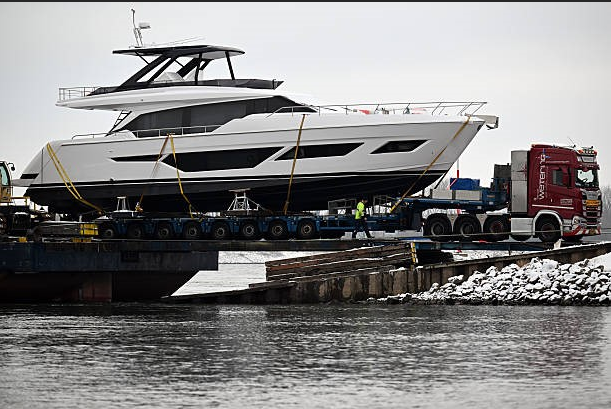
Mechanical delays during marine transport rarely happen in isolation. When you look closely at delivery logs, patterns often begin to appear around maintenance timing, equipment failures, weather exposure, route changes, repair stops, and repeated problem areas. Those records can tell a much more useful story than a single breakdown report. For operators, owners, and transport teams, that information can help explain where lost time is really coming from and what may be preventable.
Read this blog to find out what delivery logs can reveal about mechanical delays during East Coast marine transport.
Key Takeaways
- Trends beat isolated numbers: A sequence of small changes can expose trouble before an alarm appears.
- Context explains performance: Speed, current, engine load, and weather must be reviewed together.
- Repeat fixes deserve attention: Several temporary repairs often point to one unresolved root cause.
5 Delivery-Log Benchmarks That Reveal Mechanical Delays During East Coast Marine Transport
-
Engine Temperature Trend
A single high temperature reading may come from a temporary load, but a steady climb over several log entries tells a different story. When the engine runs warmer while speed remains unchanged or even drops, the cooling system deserves a closer look. Restricted water flow, debris near an intake, or a worn impeller may be developing behind the scenes.
Looking at the pattern over time makes mechanical delays easier to trace because it shows when the change began and how quickly it progressed. A useful entry includes the time, engine hours, revolutions per minute, temperature, and action taken. That timeline helps a technician determine whether the system overheated suddenly or struggled gradually throughout the run.
-
Speed-to-RPM Variance
When engine speed remains consistent, but the boat begins moving more slowly, the log should capture more than just the miles covered. Current direction, water depth, wind, hull condition, and sea state may all affect progress. Without that context, normal resistance can look like machinery trouble.
NOAA’s Tides and Currents platform provides official tide predictions, current information, and local environmental observations that can help explain changing vessel performance. These comparisons create practical navigation lessons for future trips. They help crews distinguish a propulsion problem from a route segment where the vessel was working against stronger water or weather conditions.
-
Repeat Repair Frequency
One loose connection may be a one-time headache. Three resets, repeated fluid top-offs, or multiple belt adjustments during the same trip suggest an unresolved problem. Counting how often a symptom returns is one of the clearest ways a delivery log can expose mechanical delays that temporary fixes have only postponed.
The wording matters here. “Problem fixed” offers little value, while a note describing the symptom, repair, operating conditions, and time until recurrence creates a usable maintenance record. When arranging professional Boat Transport Services, accurate vessel history can also support more realistic preparation and route planning. The service covers marine transport along the East Coast and other coastal areas.
-
Battery Voltage Stability
Electrical trouble often arrives wearing a disguise. The first clues may be a slow engine crank, dim navigation displays, an autopilot restart, or a bilge pump that sounds weaker than usual. When these events appear separately, they can feel random. Logged voltage readings connect the dots.
A stronger record includes battery voltage before startup, after startup, and while major equipment is operating. That comparison can help separate a weak battery from a charging, wiring, or load-management problem. These mechanical delays matter because electrical strain can affect several onboard systems at once. During Yacht Delivery, consistent equipment observations are especially valuable because the service involves licensed and insured yacht repositioning and transport.
-
Downtime Recovery Rate
The length of a stop tells only part of the story. A better benchmark compares when the fault appeared, how quickly the crew identified it, when parts or assistance became available, and whether the repair held after restarting. This separates actual repair time from delays caused by location, access, or logistics.
Route conditions also shape recovery. A crew near a suitable harbor has more options than one approaching a restricted inlet or an unfamiliar channel. The U.S. Coast Guard’s Local Notices to Mariners provide official navigation updates that should be reviewed when route decisions change. Reliable anchoring techniques may also give the crew a safer pause for assessment when conditions and local rules allow.
Conclusion
A delivery log is more than a list of miles, fuel stops, and arrival times. Read carefully, it becomes a timeline of how the vessel behaved, what the crew noticed, and whether each response solved the underlying issue. That perspective turns mechanical delays from vague setbacks into patterns you can act on. During a long coastal delivery, clear records support better maintenance conversations, more realistic schedules, and safer decisions. The real value is not proving that something went wrong; it is understanding why it happened and reducing the chance of a repeat.
FAQs
Which readings matter most in a delivery log?
A reliable boat transport company tracks engine temperature, RPM, speed, voltage, fuel consumption, sea conditions, and repair results to identify the cause of the delay.
Why is route context important?
During east coast marine transport, tides, currents, inlets, and weather help separate route-related strain from a real mechanical fault.
When should a captain record a minor issue?
Record it when it first appears, even when the vessel keeps running. A small irregularity may become the first useful clue if the same symptom returns later.