What Is the Difference Between Full and Partial Dentures?
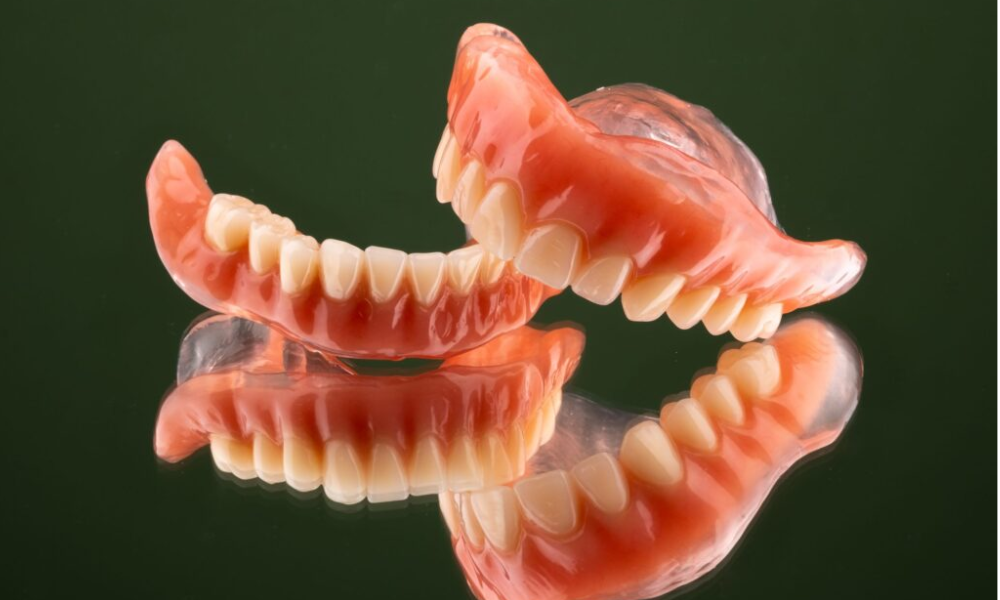
Full and partial dentures are two common options for replacing missing teeth. Both are designed to restore the appearance of your smile and make everyday activities, such as eating and speaking, more comfortable. However, they are made for different dental situations, depending on how many natural teeth you have remaining.
Understanding the differences between these options can help you make a more informed decision about your dental needs. Whether you have lost all your teeth or only a few, choosing suitable dentures can make a positive difference to your daily life. In this guide, we explore how full and partial dentures work, their benefits and what to consider before choosing between them.
What Are Full Dentures?
Full dentures, also known as complete dentures, are designed to replace all the natural teeth in the upper jaw, lower jaw or both. They are suitable for people who have lost all their teeth in one or both arches and need a complete replacement. These dentures usually consist of artificial teeth attached to an acrylic base that rests against the gums.
Upper full dentures cover the roof of the mouth, while lower dentures are shaped to fit around the tongue. They are removable, allowing wearers to take them out for cleaning and maintenance. Their design is customised to the shape of the mouth to provide a suitable fit and support during everyday activities.
One of the main benefits of full dentures is that they restore the appearance of a complete smile. They can also help improve chewing and speaking ability. However, changes in the gums and jawbone over time may affect their fit, so regular professional assessments are important.
What Are Partial Dentures?
Partial dentures are designed for people who still have some natural teeth but have lost one or more others. Rather than replacing an entire set of teeth, they fill the spaces between existing teeth and help restore the appearance and function of your smile.
They usually consist of artificial teeth attached to a supporting base made from acrylic, metal or flexible materials. Depending on the design, partial dentures may use small clasps to connect to neighbouring natural teeth. These features help keep the appliance in position during everyday activities such as eating and speaking.
One advantage of partial dentures is that they work alongside your remaining natural teeth. They can help restore your smile while filling visible gaps caused by tooth loss. Their design depends on the position of missing teeth, the condition of the remaining teeth and your individual dental requirements.
Key Differences Between Full and Partial Dentures
Although both options replace missing teeth, there are several important differences between full and partial dentures. The main distinction is the number of teeth they are designed to replace. Full dentures replace all the teeth in an upper or lower arch, whereas partial dentures fill selected gaps when some natural teeth remain.
There are also differences in their structure and how they stay in position. Full dentures rest against the gums and rely on their shape and the surrounding oral structures for support. Partial dentures may use clasps or other features to connect to remaining natural teeth. Both types can be made using different materials, depending on the design and clinical requirements.
Cleaning requirements also differ slightly. Full denture wearers need to clean their dentures and the soft tissues inside their mouths. People with partial dentures must also take care of their remaining natural teeth to help prevent plaque build-up and other oral health problems.
Benefits of Full Dentures
Full dentures offer several benefits for people who have lost all their natural teeth. One of their main advantages is that they restore a complete-looking smile, which can help improve confidence when meeting people or participating in social activities. They can also provide support for the lips and cheeks, helping maintain facial appearance.
Another important benefit is their role in everyday activities. Missing all the teeth in an arch can make certain foods difficult to eat and affect the pronunciation of some words. Properly fitted full dentures can help address these difficulties by providing replacement teeth for chewing and speaking.
Full dentures are also removable, making daily cleaning and maintenance more straightforward. They can be customised in terms of tooth shape, size and appearance to create a result that suits the individual’s facial features. With appropriate care and professional reviews, they can remain a useful tooth replacement option.
Benefits of Partial Dentures
Partial dentures provide a practical solution for people who have lost some teeth but still have natural teeth remaining. They fill gaps without requiring every tooth in the arch to be replaced. This allows patients to retain their existing natural teeth while restoring the appearance of missing ones.
Depending on their design, partial dentures can also provide support by using neighbouring teeth to help keep the appliance in position. Replacing missing teeth may help prevent surrounding teeth from drifting into empty spaces. They can also improve chewing ability and make speaking more comfortable.
Another benefit is the availability of different materials and designs. Acrylic, chrome and flexible partial dentures offer different features, allowing patients to discuss suitable options with a professional. The most appropriate design will depend on the condition of the remaining teeth, the location of missing teeth and personal comfort requirements.
How to Care for Full and Partial Dentures
Both types of dentures require regular cleaning to maintain their condition and support good oral hygiene. Food particles, plaque and bacteria can collect on denture surfaces, so it is important to follow a suitable cleaning routine. Remove your dentures and clean them daily using a soft denture brush and an appropriate cleaning product. Avoid ordinary toothpaste if it is abrasive, as it may damage the denture surface.
If you wear partial dentures, remember to clean your remaining natural teeth carefully using fluoride toothpaste. Your gums and tongue also need daily cleaning to remove food deposits and maintain a healthy mouth. Rinsing your dentures after meals can also help remove loose food particles.
Your dental professional can provide advice about removing dentures overnight and storing them safely. Regular check-ups are equally important because your mouth can change over time. If your dentures become loose, damaged or uncomfortable, arrange an assessment rather than trying to adjust them yourself.
Which Type of Dentures Should You Choose in Peterborough?
Choosing between full and partial dentures depends mainly on the number of natural teeth you have remaining and the condition of your mouth. If you have lost all the teeth in an upper or lower arch, full dentures may be appropriate. If you still have some natural teeth, partial dentures may provide a more suitable solution.
If you are considering new dentures, a professional assessment can help you understand the available options. Exploring dentures peterborough services gives you an opportunity to discuss your requirements, compare different materials and understand which design may work best for your situation.
It is also worth considering your everyday comfort, cleaning routine and long-term maintenance needs. A suitable denture should fit properly, support normal activities and meet your individual requirements. Taking professional advice before making a decision can help you choose an option that provides appropriate support and a natural-looking appearance.
Conclusion
Full and partial dentures both provide effective ways to replace missing teeth, but they are designed for different dental needs. Full dentures replace all teeth in an upper or lower arch, while partial dentures fill gaps when some natural teeth remain. Each option offers benefits for appearance, eating, speaking and everyday confidence.
The right choice depends on your remaining teeth, oral health and personal requirements. By discussing your options with a denture professional and following a suitable maintenance routine, you can help keep your dentures comfortable and in good condition. Regular check-ups and proper cleaning will also help support your oral health over time.