What Makes Supply Chain Management Solutions Effective?
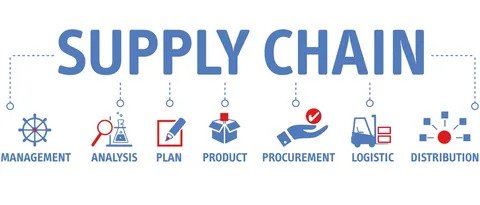
Supply chain management solutions play an important role in helping businesses control costs, improve efficiency, and meet customer expectations. However, managing suppliers, inventory, transportation, and delivery schedules can become difficult as a business grows. Without a clear strategy, even small disruptions can lead to delays, higher expenses, and lost sales.
The right approach helps businesses connect their operations, improve planning, and respond to unexpected changes. From better inventory control to stronger supplier relationships, effective solutions can make supply chains more reliable and flexible.
Explores proven supply chain management solutions, explains their benefits, and highlights practical ways businesses can apply them. It also examines how a supply chain professional and experienced consulting firm can help organizations identify problems and develop strategies for long-term success.
1. Improve Inventory Management and Control
Inventory management is one of the most important parts of an effective supply chain. Businesses must maintain enough stock to meet customer demand without tying up too much money in unused products. Poor inventory control can result in shortages, excess stock, and unnecessary storage expenses.
Modern supply chain management solutions help businesses monitor inventory levels, track product movement, and make better purchasing decisions.
Use Demand Forecasting to Reduce Waste
Demand forecasting helps businesses estimate how much stock they will need in the future. Companies can review past sales, seasonal patterns, market changes, and customer orders to make informed decisions.
For example, a distributor may experience higher demand during certain months. By studying previous sales patterns, the business can prepare inventory in advance and reduce the risk of stockouts.
Additionally, accurate forecasting helps prevent overstocking, which can increase storage costs and leave capital tied up in products that sell slowly.
Introduce Real-Time Inventory Tracking
Real-time inventory tracking gives businesses a clearer picture of available stock across warehouses and distribution centers. Barcode systems, inventory software, and warehouse management tools can improve accuracy and reduce manual errors.
Consequently, managers can identify shortages earlier, monitor product movement, and make faster decisions about replenishment.
2. Strengthen Supplier Relationships
Reliable suppliers are essential for maintaining a steady flow of materials and products. Delays, inconsistent quality, and unexpected price changes can affect production schedules and customer satisfaction.
Therefore, businesses should treat supplier management as a strategic priority rather than a routine purchasing activity.
Evaluate Supplier Performance Regularly
Companies can measure supplier performance through delivery times, product quality, pricing, responsiveness, and compliance with agreements. Regular reviews help identify suppliers that consistently meet expectations and those that need improvement.
Moreover, clear communication allows both parties to address problems before they affect daily operations.
A supply chain professional can help establish supplier evaluation criteria, improve contract management, and develop stronger purchasing strategies.
Reduce Dependence on a Single Supplier
Relying on one supplier for a critical material can create serious risks. If that supplier experiences production problems or transportation delays, the entire operation may suffer.
Businesses can reduce this risk by qualifying alternative suppliers, maintaining appropriate safety stock, and developing contingency plans.
For example, a manufacturing company might identify a secondary supplier for essential components. Although this approach requires additional planning, it can help protect production when unexpected disruptions occur.
3. Use Data to Improve Supply Chain Decisions
Accurate information helps businesses understand what is happening across their supply chains. Without reliable data, managers may struggle to identify delays, control costs, or recognize changing customer needs.
Supply chain analytics provides useful insights into purchasing, inventory, transportation, and supplier performance.
Track Key Performance Indicators
Key performance indicators, commonly called KPIs, help businesses measure operational results. Useful supply chain KPIs include:
- On-time delivery rate
- Inventory turnover
- Order fulfillment time
- Transportation cost per shipment
- Supplier defect rate
- Forecast accuracy
These measurements help managers understand which areas are performing well and which require attention.
For instance, a declining on-time delivery rate may indicate transportation problems, supplier delays, or weaknesses in warehouse operations.
Turn Information Into Practical Improvements
Collecting data alone does not improve performance. Businesses must review the information regularly and use it to guide decisions.
Moreover, dashboards and reporting tools can make important trends easier to understand. Managers can compare results over time, identify recurring problems, and prioritize improvements based on their likely impact.
4. Optimize Transportation and Logistics
Transportation expenses can significantly affect supply chain costs. Inefficient delivery routes, poorly planned shipments, and low vehicle utilization can increase expenses while slowing down customer orders.
Effective supply chain management solutions help organizations coordinate transportation activities and improve delivery performance.
Plan Routes and Shipments Efficiently
Route optimization software can help businesses select practical delivery routes based on distance, traffic, delivery windows, and vehicle capacity.
Additionally, shipment consolidation allows companies to combine compatible orders when doing so is operationally and commercially appropriate. This can reduce unnecessary trips and improve the use of available transportation resources.
Improve Warehouse Coordination
Transportation and warehousing should operate as connected parts of the same process. Poor coordination can leave trucks waiting for shipments or cause completed orders to miss scheduled pickups.
Better scheduling, clear communication, and accurate shipment information help reduce these problems.
For businesses with complex distribution networks, reviewing warehouse locations and delivery patterns may reveal opportunities to reduce costs and improve service.
5. Build a More Resilient Supply Chain
Supply chain disruptions can result from severe weather, equipment failures, geopolitical changes, labor shortages, or sudden increases in demand. Businesses cannot prevent every disruption, but they can prepare for many of them.
A resilient supply chain can adapt to changing conditions while protecting essential business activities.
Identify and Assess Operational Risks
Risk assessment involves identifying possible threats, estimating their impact, and determining how likely they are to occur.
For example, a company that imports critical materials may face risks related to shipping delays, customs procedures, or changing supplier capacity.
A practical risk management plan should identify critical materials, alternative sourcing options, acceptable inventory levels, and procedures for responding to disruptions.
Develop Contingency Plans
Contingency planning prepares businesses to respond when normal operations are interrupted. These plans may include alternative transportation routes, backup suppliers, emergency purchasing procedures, and communication protocols.
Furthermore, regularly reviewing these plans helps ensure that they remain useful as business conditions change.
The objective is not to eliminate every risk. Instead, it is to reduce the likelihood that a single problem will create widespread operational difficulties.
6. Invest in Supply Chain Technology
Technology can improve visibility, accuracy, and coordination across supply chain activities. However, successful implementation requires more than purchasing new software. Businesses must first understand their operational needs and select tools that address specific problems.
Select Tools That Match Business Requirements
Common supply chain technologies include enterprise resource planning systems, transportation management systems, warehouse management systems, and demand planning software.
Each tool serves a different purpose. An enterprise resource planning system can connect business functions, while transportation management software helps coordinate shipping activities.
Before investing, companies should assess existing systems, data quality, employee training needs, and integration requirements.
Introduce Automation Gradually
Automation can reduce repetitive tasks, improve data accuracy, and help employees focus on more complex responsibilities.
For example, automated purchase alerts can notify managers when inventory reaches a specified threshold. Similarly, digital order processing can reduce manual data entry.
A gradual rollout allows businesses to test the technology, train employees, measure results, and correct problems before expanding the system.
7. Improve Supply Chain Organization and Communication
A well-designed organizational structure helps employees understand their responsibilities and make decisions more efficiently. When purchasing, logistics, production, and inventory teams work separately without clear coordination, important information can be overlooked.
Businesses should establish clear reporting lines, defined responsibilities, and consistent communication practices.
Align Departments Around Shared Goals
Supply chain teams often have different priorities. Purchasing may focus on lower prices, while warehouse managers prioritize available space and sales teams emphasize customer availability.
These goals can conflict if departments operate independently.
Shared performance targets encourage collaboration. For example, departments can work together to improve order fulfillment while balancing inventory costs and delivery requirements.
Establish Clear Decision-Making Processes
Employees should know who approves purchases, manages supplier disputes, authorizes emergency shipments, and responds to operational disruptions.
Clear procedures reduce confusion and support faster responses when problems occur.
Additionally, regular planning meetings can help departments review forecasts, upcoming orders, capacity constraints, and potential risks.
8. Control Supply Chain Costs Without Sacrificing Quality
Cost reduction is a major objective for many organizations. However, choosing the cheapest supplier or reducing inventory without considering operational needs can create additional expenses later.
Effective cost management examines the full cost of purchasing, storage, transportation, production, and product quality.
Evaluate Total Cost of Ownership
Total cost of ownership includes more than the purchase price. It may also include shipping fees, customs charges, storage costs, maintenance, quality problems, and delays.
A supplier with a lower initial price may create higher overall costs if deliveries are unreliable or products frequently fail quality checks.
Therefore, businesses should compare suppliers using consistent criteria and consider long-term value.
Prioritize High-Impact Improvements
Not every supply chain problem requires an expensive solution. Some improvements may involve better scheduling, clearer procedures, improved forecasting, or renegotiated supplier terms.
Companies should identify the problems that create the greatest financial or operational impact and address those first.
This approach helps organizations use available resources wisely while maintaining service quality.
9. Support Sustainable Supply Chain Practices
Sustainability is becoming an important consideration in supply chain planning. Businesses can examine how purchasing, packaging, transportation, and waste management affect their environmental performance.
Practical improvements may include reducing unnecessary packaging, improving vehicle utilization, selecting responsible suppliers, and minimizing expired or damaged inventory.
Measure Progress With Clear Targets
Companies should establish measurable goals that reflect their operations. These may include reducing packaging waste, lowering fuel consumption per shipment, or improving the recovery and reuse of materials.
Regular monitoring helps determine whether the changes are producing meaningful results.
Moreover, sustainability goals should be balanced with product safety, delivery requirements, supplier capabilities, and financial considerations.
10. Work With Experienced Supply Chain Consultants
Some supply chain challenges require expertise that may not be available within an organization. External consultants can provide an independent review of processes, identify inefficiencies, and recommend improvements based on business requirements.
For organizations managing complex supplier networks, rising costs, or operational changes, professional guidance can help create a more structured improvement plan.
Choose Consulting Services That Match Business Needs
Businesses should evaluate consultants based on their relevant experience, industry knowledge, proposed methods, and ability to measure results.
Companies seeking supply chain consulting services in Houston may benefit from working with professionals who understand their regional business environment and operational requirements.
The selection process should include a review of previous projects, service scope, communication practices, and expected outcomes.
Consider Wolf Supply Chain Advisors
Wolf Supply Chain Advisors can be considered by organizations exploring professional supply chain guidance. Businesses evaluating the firm should review its service offerings, relevant experience, and approach to addressing specific operational challenges.
A useful consulting engagement begins with a clear understanding of the current situation. This may involve examining supplier performance, inventory practices, logistics costs, organizational responsibilities, and technology systems.
Based on the findings, a consulting team can help develop prioritized recommendations and an implementation plan. Clear performance measures can then help the business assess progress and determine whether further adjustments are needed.
Frequently Asked Questions
What Are Supply Chain Management Solutions?
Supply chain management solutions are strategies, processes, and technologies that help businesses manage suppliers, inventory, transportation, and customer orders. They aim to improve efficiency, control costs, and support reliable deliveries.
How Can Supply Chain Management Solutions Reduce Costs?
These solutions can reduce excess inventory, improve shipment planning, limit purchasing errors, and strengthen supplier performance. Regular cost analysis also helps businesses identify waste and prioritize improvements.
When Should a Business Hire a Supply Chain Professional?
A business may benefit from a supply chain professional when it faces recurring delivery delays, rising operating costs, inventory problems, or supplier performance issues. Professional guidance can help identify the causes and develop practical improvement plans.
How Can Supply Chain Consulting Services in Houston Help Businesses?
Supply chain consulting services in Houston can help businesses evaluate their operations, improve procurement practices, review logistics processes, and identify opportunities for better performance. The appropriate services depend on each company’s industry, size, and operational goals.
Conclusion
Effective supply chain management solutions help businesses improve inventory control, strengthen supplier relationships, optimize transportation, manage risks, and make better decisions. Technology and data can support these improvements, while clear organizational structures and practical performance measures help maintain progress.
However, no single solution works equally well for every organization. The most effective approach begins with identifying operational weaknesses, setting measurable goals, and prioritizing changes that address the business’s actual needs.
A supply chain professional or experienced consulting firm can help organizations evaluate these challenges and develop a structured improvement strategy. Businesses considering external support may explore the services offered by Wolf Supply Chain Advisors and assess whether its expertise aligns with their objectives.
With careful planning, regular performance reviews, and a commitment to continuous improvement, organizations can build supply chains that are more efficient, resilient, and prepared for future demands.