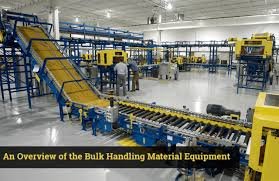
Efficient material movement is the backbone of modern industrial operations. Companies around the world rely on advanced systems to handle bulk materials safely, efficiently, and cost-effectively. Glzon Equipment Co., Ltd has been at the forefront of providing innovative solutions in bulk material handling, helping industries optimize production processes, reduce labor costs, and improve safety standards. But what exactly is bulk material handling equipment, and why has it become indispensable across so many sectors? This comprehensive guide explores the concept, types, and benefits of bulk material handling equipment and explains why it is essential for modern industrial operations.
What Is Bulk Material Handling Equipment?
Bulk material handling equipment refers to machines, systems, and devices used to transport, store, control, and manage large quantities of raw materials, semi-finished products, or finished goods in bulk. These materials can include powders, granules, pellets, ores, coal, chemicals, grains, and many other solid or semi-solid substances. The primary goal of bulk material handling equipment is to move materials efficiently from one point to another, whether it’s within a manufacturing plant, warehouse, processing facility, or during transportation to another location. By automating or mechanizing these processes, industries can save time, reduce labor costs, and maintain consistent product quality.
Key Types of Bulk Material Handling Equipment
Bulk material handling equipment encompasses a wide variety of systems designed for specific tasks. Here are the main categories:
1. Conveyors
Conveyors are one of the most common forms of bulk material handling equipment. They are designed to transport materials horizontally, vertically, or at an incline.
-
Belt conveyors | ideal for moving heavy or bulk materials over long distances.
-
Screw conveyors | used for powders and granular materials in controlled flow.
-
Chain conveyors| effective for very heavy or abrasive materials.
2. Feeders
Feeders regulate the flow of materials from storage units to processing machines. They ensure consistent feed rates and prevent clogging or wastage.
-
Vibratory feeders , move granular or powdered materials using vibration.
-
Rotary feeders , commonly used with hoppers or silos for controlled discharge.
3. Elevators
Elevators lift materials vertically, typically from a lower storage area to a higher processing or transport point. Bucket elevators are widely used for grains, powders, and pellets.
4. Hoppers and Silos
Hoppers and silos are used for storage and controlled release of bulk materials. Hoppers are generally smaller and feed directly into machines, while silos store larger quantities of material for later use.
5. Stackers and Reclaimers
These systems are designed for stacking bulk materials in piles and reclaiming them efficiently when needed, often used in mining, cement, and power plants.
6. Crushers and Grinders
For materials that need size reduction before processing, crushers and grinders serve as bulk handling equipment that ensures materials meet required specifications.
Why Is Bulk Material Handling Equipment Essential for Industry?
Industries worldwide have increasingly adopted bulk material handling equipment due to several critical advantages:
1. Enhanced Productivity
Automation and mechanization of material movement significantly reduce processing time. Bulk material handling equipment can operate continuously, moving materials faster than manual labor ever could.
2. Cost Efficiency
Manual handling of materials is labor-intensive and prone to errors. By investing in bulk material handling systems, companies reduce labor costs, minimize material waste, and enhance overall operational efficiency.
3. Improved Safety
Manual handling of bulk materials can be dangerous, especially when dealing with heavy, sharp, or hazardous substances. Automated systems minimize human contact, reducing the risk of accidents, injuries, and exposure to harmful materials.
4. Consistency and Accuracy
Modern bulk material handling equipment, equipped with sensors and automation technology, ensures consistent flow rates, precise weights, and accurate delivery to processing machines. This consistency is crucial in industries such as chemicals, food processing, and pharmaceuticals.
5. Scalability and Flexibility
As production demands grow, bulk material handling systems can be scaled up or reconfigured to accommodate new processes, higher volumes, or different materials, providing long-term adaptability.
Industries That Benefit Most from Bulk Material Handling Equipment
1. Cement and Construction Materials
Cement, sand, aggregates, and other building materials are heavy and abrasive. Bulk material handling equipment allows for efficient transport, storage, and loading, reducing labor and improving safety.
2. Mining and Minerals
Mining operations produce vast quantities of ores, coal, and minerals. Conveyors, elevators, and stackers ensure efficient material transport from extraction sites to processing plants or storage yards.
3. Food Processing
Grains, sugar, flour, and other food products require hygienic and precise handling. Bulk material handling systems in food processing maintain product quality and reduce contamination risks.
4. Chemicals and Pharmaceuticals
Chemical powders and granules demand controlled handling due to their hazardous or reactive nature. Automated handling ensures accurate dosing and minimizes human exposure.
5. Agriculture
Seeds, fertilizers, and animal feed are often handled in bulk. Modern equipment speeds up packaging, storage, and distribution, ensuring consistent product quality and reduced wastage.
How to Choose the Right Bulk Material Handling Equipment
Selecting the right equipment requires a careful evaluation of operational needs:
-
Material type: powder, granules, pellets, or heavy solids.
-
Production volume for small-scale or high-capacity industrial operations.
-
Flow characteristics, sticky, free-flowing, or abrasive materials.
-
Integration, compatibility with existing processing or packaging systems.
-
Safety and regulatory compliance, especially for chemicals or food-grade materials.
Properly chosen equipment can improve efficiency, reduce downtime, and lower operational costs significantly.
Conclusion
Bulk material handling equipment is a cornerstone of modern industrial operations. From cement and mining to food, chemicals, and agriculture, these systems optimize production efficiency, enhance safety, and reduce costs. Companies investing in the right equipment can enjoy long-term benefits, including increased productivity, consistent quality, and the ability to scale operations with ease. By leveraging advanced bulk material handling solutions from industry leaders like Glzon Equipment Co., Ltd, businesses can stay competitive in an increasingly demanding market. The adoption of modern handling systems is no longer optional; it is essential for sustained industrial growth and operational excellence.
Frequently Asked Questions (FAQs)
1. What is bulk material handling equipment used for?
It is used to transport, store, control, and manage large quantities of raw materials or products efficiently in industrial settings.
2. Which industries rely most on bulk material handling equipment?
Cement, mining, food processing, chemicals, pharmaceuticals, and agriculture are among the top industries benefiting from these systems.
3. How does bulk material handling equipment improve safety?
Automating material movement, it reduces human exposure to heavy, hazardous, or dusty materials, minimizing workplace accidents.
4. Can bulk material handling equipment handle different types of materials?
Yes, modern systems are designed to manage powders, granules, pellets, and heavy solids, depending on their configuration.
5. What factors should be considered when choosing bulk material handling equipment?
Material type, production volume, flow characteristics, integration needs, and compliance with safety and regulatory standards are key considerations.