Building Greener Power Infrastructure: The Sustainability Advantages of Prefabricated E-Houses
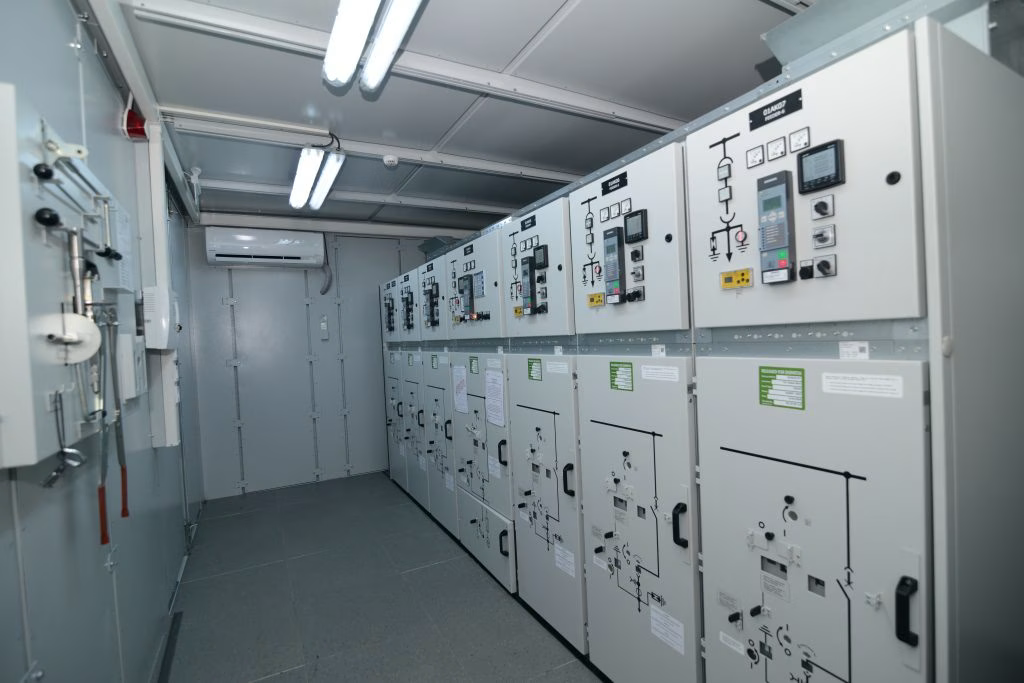
Sustainability is no longer just a corporate buzzword. Industries across the world are under growing pressure from regulators, investors and customers to reduce carbon emissions, cut waste and use resources more efficiently. While much attention goes to renewable energy and electric vehicles, the way power infrastructure itself is built also has a significant environmental impact. Prefabricated Electrical Houses (E-Houses) offer a cleaner, smarter alternative to conventional electrical buildings.
The Hidden Environmental Cost of Conventional Construction
Traditional electrical rooms are built on site using large quantities of cement, bricks, sand and steel. Cement production alone is one of the largest sources of industrial carbon emissions. On-site construction also generates dust, noise, material wastage and heavy vehicle movement over many months. Rework caused by design changes or poor workmanship adds even more waste.
E-Houses change this picture by shifting most of the work into a controlled factory environment.
How E-Houses Support Sustainability
- Reduced Material Consumption
E-Houses use lightweight steel structures and insulated panels instead of heavy masonry. Precise factory cutting and engineering minimize offcuts and excess material. Foundations are also simpler, requiring less concrete than a full building. - Less Construction Waste
In a factory, materials are stored properly, measured accurately and reused where possible. Scrap steel and packaging can be collected and recycled systematically, something that is difficult to achieve on a busy construction site. - Lower Site Emissions and Disturbance
With most assembly completed off site, construction activity at the project location is limited to foundation work, placement and connection. This means fewer truck trips, less diesel generator use, reduced dust and noise, and minimal disruption to surrounding communities and ecosystems. - Improved Energy Efficiency in Operation
Well-insulated wall and roof panels reduce heat gain, lowering the load on air-conditioning systems. Energy-efficient HVAC units, LED lighting and smart controls further reduce auxiliary power consumption throughout the E-House’s working life. - Support for Efficient Electrical Systems
E-Houses often house variable frequency drives, power factor correction equipment and intelligent monitoring systems. These technologies help the entire facility use electricity more efficiently, reducing overall energy demand and emissions. - Relocation and Reuse
Unlike a permanent building, an E-House can be moved to a new site when a project ends or operations change. Equipment and structures get a second life instead of being demolished. This reusability is especially valuable for mining, construction and temporary power projects. - Longer Equipment Life
Controlled internal conditions protect electrical equipment from dust, moisture and temperature extremes. Longer equipment life means fewer replacements, less manufacturing demand and less electronic waste over time.
Enabling the Clean Energy Transition
E-Houses also play a direct role in renewable energy growth. Solar parks, wind farms, battery energy storage systems and green hydrogen plants all rely on modular power solutions for fast, reliable grid connection. By speeding up the deployment of clean energy projects, E-Houses help accelerate the shift away from fossil fuels.
Designing for Sustainability from Day One
To maximize environmental benefits, sustainability should be considered during the design stage. Project owners can ask for recyclable materials, high-performance insulation, energy-efficient HVAC, eco-friendly fire suppression agents and digital energy monitoring. Designing for easy expansion and relocation also extends the useful life of the investment.
Conclusion
Every industrial project has an environmental footprint, but smart choices can make it significantly smaller. Prefabricated E-Houses reduce material use, cut waste, lower site emissions and improve long-term energy efficiency, all while delivering faster and more reliable power infrastructure.
Working with a responsible e house manufacturer helps organizations meet their sustainability goals without compromising on performance, safety or quality. In a world moving toward greener industry, modular power is a practical step in the right direction.