Diwali Fireworks in the UK: Traditions, Popular Types and Safety Tips for Celebrations
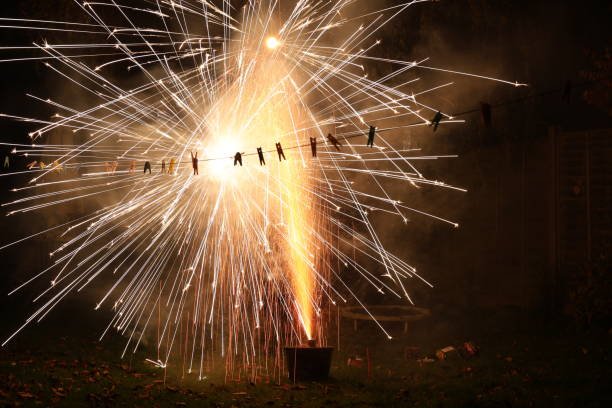
Diwali fireworks are a familiar part of the Festival of Lights for many families and communities across the UK. Colourful displays, bright fountains and sparkling effects can add excitement to the celebrations, which bring people together to mark the triumph of light over darkness and good over evil.
Diwali, also known as Deepavali, is celebrated by Hindu, Jain and some Sikh communities, although its meaning and traditions vary between faiths and families. Alongside lighting diyas, decorating homes, sharing food and spending time with loved ones, some people enjoy fireworks as part of the occasion.
If you are planning to celebrate this year, understanding the different types of fireworks, UK rules and essential safety precautions can help you organise a more enjoyable and considerate event.
What Is the Significance of Diwali Fireworks?
Diwali is widely known as the Festival of Lights. Homes, temples and public spaces may be decorated with oil lamps, candles, lanterns and colourful rangoli designs. Families often gather for prayers, festive meals, sweets and visits with relatives.
Fireworks have become part of some Diwali celebrations, adding light, colour and sound to the evening. However, fireworks are not essential to the festival, and many people choose quieter celebrations that focus on lamps, decorations, community events and family traditions.
The way Diwali is celebrated depends on cultural background, religious practice, personal preference and local customs. In the UK, celebrations can range from small family gatherings to large community events with organised entertainment and professional firework displays.
Popular Types of Diwali Fireworks
Different fireworks produce different visual effects and are suited to different settings. Before choosing any product, check its category, instructions and required safety distance.
1. Fountains
Fountains produce a spray of sparks from a stationary position. Depending on the product, they may create silver, gold or coloured effects.
Some fountains are designed for relatively small outdoor displays, but the product label must always be checked. Never assume a fountain is safe for a particular garden simply because it appears small.
2. Rockets
Rockets travel upwards before producing an aerial effect. They may create colourful bursts, glittering trails or other patterns in the sky.
Rockets need suitable launch arrangements and sufficient open space. They are not appropriate for every garden, especially where buildings, trees, overhead cables or nearby people create hazards.
3. Barrages and Cakes
Barrages, often called cakes, contain multiple shots that fire in sequence from a single unit. They can produce a varied display without requiring separate fireworks to be lit for every effect.
Their size, noise level, firing pattern and safety distance differ between products. Always check the packaging before deciding whether a barrage is suitable for your location.
4. Sparklers
Sparklers produce bright sparks and are sometimes used during family celebrations. They can look simple to handle, but they burn at very high temperatures and can cause serious burns.
Children should never be left to use sparklers unsupervised. Follow the instructions, keep a safe distance between people and have a bucket of water available for used sparklers. Consider LED alternatives for young children or anyone who prefers to avoid hot materials.
5. Roman Candles
Roman candles release a sequence of effects from a tube. Depending on their design, they may produce coloured stars or other visual effects.
They must be used exactly as directed by the manufacturer. Never hold a firework in your hand unless the product is specifically designed and labelled for that purpose.
How to Plan a Diwali Fireworks Display
A successful celebration starts with choosing a suitable setting and understanding the limitations of the available space.
Check the available area. Measure the space before buying fireworks. The firing position, spectator area and any area where debris may fall must meet the requirements stated on the product label.
Choose suitable products. Fireworks have different categories and safety distances. A garden firework is not automatically suitable for every garden. Do not buy a product if you cannot meet its instructions.
Prepare the location. Use a suitable outdoor area on private land with the landowner’s permission. Check for trees, buildings, fences, dry vegetation, vehicles and overhead cables.
Keep spectators at a safe distance. Everyone watching should remain behind the required safety line. Children and pets should be kept well away from the firing area.
Prepare before lighting anything. Read the instructions in daylight, keep fireworks in their original packaging until needed and have the recommended equipment ready. Only light one firework at a time, as directed.
For larger gatherings, consider attending an organised community display rather than arranging a private event. Professional displays can be a practical option when there is not enough space at home.
Diwali Fireworks Safety Tips
Fireworks can cause burns, eye injuries, fires and other serious harm when they are misused. Following a few basic precautions can reduce avoidable risks.
- Buy from legitimate sellers: Use registered or licensed retailers and check that products carry the appropriate conformity marking and safety information.
- Follow the instructions: Read the label carefully and obey the specified firing and spectator distances.
- Keep fireworks away from children: Adults should be responsible for storing, preparing and lighting adult fireworks.
- Never return to a lit firework: Move away immediately after lighting it.
- Do not relight a dud: If a firework fails to operate, do not approach it or try to light it again. Follow the manufacturer’s instructions and keep others away.
- Avoid alcohol when handling fireworks: The person responsible for lighting fireworks should remain alert and follow the safety procedure.
- Keep water available: Have a bucket of water or another suitable means of dealing with small fires and cooling used items, as appropriate.
- Protect property: Keep fireworks away from buildings, sheds, vehicles, fences and anything that could catch fire.
- Clear the area afterwards: Wait until debris has completely cooled, then follow official disposal guidance. Firework debris should be soaked in water overnight before being bagged for disposal, where this is consistent with local waste instructions.
If you do not understand a product’s instructions or cannot provide the required safety distance, do not use it.
UK Rules for Diwali Fireworks
Fireworks are subject to legal restrictions in the UK. Rules can vary by nation and local authority, so check the requirements that apply to your location before planning a display.
In general, the main rules include:
- You must be at least 18 to buy adult fireworks.
- Adult fireworks sold to the public are generally in Categories F2 and F3, with different space and safety requirements.
- Category F4 fireworks are intended for professional use.
- Fireworks must not be set off or thrown in streets or other public places.
- The usual curfew prohibits setting off fireworks between 11pm and 7am.
There is an exception for Diwali: under the general rules in England and Wales, fireworks may be used until 1am on the night of Diwali. This does not remove other legal requirements, and local restrictions may apply. Rules in Scotland and Northern Ireland should be checked separately.
Check the current government guidance and your local council’s requirements before setting off fireworks. Never assume that a public road, shared area or communal garden is an acceptable firing location.
Consider Neighbours, Pets and Wildlife
Fireworks can be enjoyable for some people but stressful for others. Loud or unexpected noise may affect babies, older people, people with sensory sensitivities and those who are unwell. Dogs, cats, horses and wildlife can also become frightened.
If you are planning a display at home, let your neighbours know in advance. Keep the display within permitted hours, avoid unnecessary noise and consider whether a quieter alternative would be more suitable.
For pets, create a secure indoor space with familiar bedding and closed windows. Keep animals away from the firing area, and do not take them outside to watch fireworks if they are frightened by the noise.
Lower-noise fireworks, LED lights, decorative lanterns and community events without fireworks can offer other ways to celebrate Diwali while being considerate of the wider neighbourhood.
Alternatives to Traditional Diwali Fireworks
Fireworks are only one way to bring light and colour to Diwali. Families who prefer a quieter or simpler celebration can consider:
- Lighting traditional diyas safely.
- Decorating the home with LED lights and lanterns.
- Creating rangoli designs with coloured powders or flower petals.
- Attending a local Diwali celebration or cultural event.
- Sharing festive food and sweets with family and friends.
- Watching a professionally organised display from a designated viewing area.
These options can help maintain the festive atmosphere without the same noise, space requirements or handling risks associated with fireworks.
Frequently Asked Questions
Are fireworks part of every Diwali celebration?
No. Some families include fireworks in their celebrations, while others focus on lamps, prayers, decorations, food and spending time together. Traditions vary across communities.
What types of fireworks are popular during Diwali in the UK?
Fountains, rockets, barrages, cakes, sparklers and Roman candles are among the types people may encounter. Their suitability depends on the product instructions and the space available.
What time can fireworks be set off on Diwali in the UK?
Under the general rules in England and Wales, the usual 11pm curfew is extended to 1am on Diwali night. Check current local rules and the regulations for your part of the UK before planning a display.
Can I set off Diwali fireworks in my garden?
Only if the garden provides enough space for the particular fireworks and meets their safety requirements. Check the label, spectator distance and surroundings before buying or using any product.
Are sparklers safe for children?
Sparklers can cause serious burns. Children should be closely supervised, and adults must follow the product instructions. LED alternatives may be preferable for young children.
What should I do if a firework does not go off?
Do not approach it immediately, relight it or attempt to dismantle it. Keep people away and follow the manufacturer’s instructions for failed fireworks.
Final Thoughts
Diwali fireworks can add colour and excitement to celebrations across the UK, but they are only one part of a festival with varied cultural and religious traditions. Whether you choose a private display, attend a community event or celebrate with lights and decorations, planning ahead helps make the occasion safer and more enjoyable.
Check product instructions, provide the required safety distance, follow local laws and consider the impact on neighbours, pets and wildlife. With thoughtful planning, Diwali can remain a joyful celebration for the whole community.