Rubbish Management: How Waste Is Collected, Sorted and Disposed Of
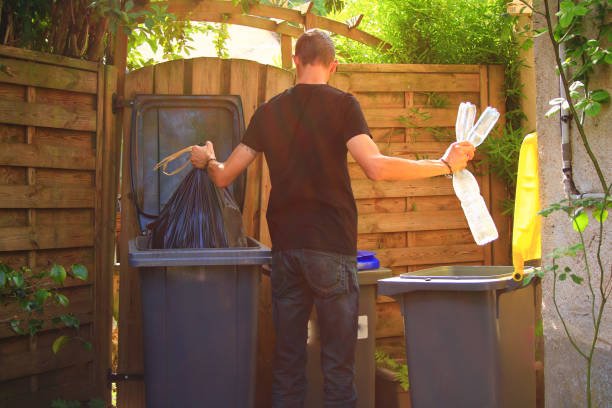
Rubbish management is the process of collecting, sorting, transporting, recycling and disposing of unwanted materials safely and responsibly. It plays an important role in keeping homes, businesses and public spaces clean while helping reduce pollution and unnecessary waste.
From everyday household rubbish to commercial waste and garden cuttings, effective rubbish management helps ensure that different types of waste are handled appropriately. Understanding how the process works can help households and businesses make better decisions about waste disposal.
What Is Rubbish Management?
Rubbish management involves the methods used to deal with waste from the moment it is produced until it is recycled, treated or disposed of. The process can include regular bin collections, bulky waste removal, recycling services and larger property clearances.
Different types of rubbish require different handling methods. Paper, cardboard, glass and some plastics may be recyclable, while certain electrical items, chemicals and construction materials may need specialist treatment.
The main aim is to manage waste in a way that protects public health, reduces environmental harm and makes better use of available resources.
Common Types of Rubbish
Households and businesses produce several types of waste.
Household Waste
Household rubbish includes everyday packaging, food waste, unwanted belongings and general items that are no longer needed. Separating recyclable materials from general waste can help improve recycling rates.
Garden Waste
Grass cuttings, leaves, branches and plant material are common forms of garden waste. Depending on local arrangements, they may be collected separately or taken to an appropriate composting facility.
Commercial Waste
Offices, shops, restaurants and other businesses produce waste such as cardboard, packaging, furniture and general rubbish. Businesses should use suitable waste collection arrangements and follow their legal responsibilities.
Bulky Waste
Large items such as sofas, mattresses, wardrobes and broken furniture can be difficult to move or transport. Bulky waste collection services provide a way to remove these items when ordinary household bins are unsuitable.
Construction Waste
Building and renovation projects can produce timber, rubble, plasterboard, metal and other materials. These should be separated and handled according to their type, with hazardous materials managed through appropriate specialist services.
How Does Rubbish Management Work?
An effective rubbish management system usually involves several stages.
- Collection: Waste is collected from homes, businesses or designated collection points.
- Sorting: Recyclable and non-recyclable materials are separated where appropriate.
- Transportation: Waste is moved to recycling centres, treatment facilities or authorised disposal sites.
- Processing: Reusable materials are recovered, organic waste may be composted, and other waste may undergo suitable treatment.
- Final disposal: Materials that cannot be recovered are disposed of through authorised facilities.
The exact process depends on the type of rubbish, local services and available treatment facilities.
Why Is Responsible Rubbish Management Important?
Poor waste handling can contribute to litter, blocked drains, unpleasant odours, pests and environmental pollution. Illegal dumping can also damage local areas and create additional costs for communities.
Responsible rubbish management helps keep neighbourhoods clean and supports the recovery of materials that might otherwise be wasted. Recycling suitable items can reduce demand for some new raw materials, while composting appropriate organic waste can return nutrients to the soil.
For businesses, a clear waste management process can also make premises safer and help ensure waste is handled in line with relevant requirements.
Ways to Improve Rubbish Management at Home
Small changes can make everyday waste easier to manage.
- Separate recyclable materials according to local council guidance.
- Reduce unnecessary packaging when shopping.
- Reuse suitable containers, bags and household items.
- Donate usable furniture and belongings instead of throwing them away.
- Keep food waste separate where a collection service is available.
- Arrange suitable collection for large or specialist items.
- Use authorised waste carriers when arranging private rubbish removal.
Before placing unusual items in a bin, check local guidance. Electrical equipment, batteries, paint and certain chemicals may require separate collection or specialist disposal.
Choosing a Rubbish Removal Service
A professional rubbish removal service may be useful when clearing a property, removing bulky furniture, managing garden waste or dealing with larger quantities of rubbish.
Before arranging a collection, identify the type and approximate amount of waste. Ask for a clear quote and confirm whether loading, labour and any additional charges are included.
In England, you can check the Environment Agency’s public register to verify whether a waste carrier is registered where registration is required. Ask how the rubbish will be handled and ensure you receive any relevant paperwork.
Using a responsible service helps reduce the risk of waste being dumped illegally and supports proper disposal practices.
Frequently Asked Questions
What is rubbish management?
Rubbish management is the collection, sorting, transportation, recycling, treatment and disposal of unwanted materials.
What is the difference between rubbish management and recycling?
Rubbish management covers the whole process of dealing with waste. Recycling is one part of that process, involving the recovery of materials so they can be used again.
Can all rubbish be recycled?
No. Some materials can be recycled through suitable facilities, while others require specialist treatment or disposal. Local recycling rules vary, so check the guidance for your area.
When should I use a rubbish removal service?
A collection service may be useful for bulky furniture, property clearances, garden waste, renovation rubbish or larger amounts of unwanted items that cannot be placed in ordinary bins.
How can businesses manage rubbish responsibly?
Businesses should identify the waste they produce, separate suitable recyclable materials, use appropriate collection services and meet their applicable waste duty-of-care requirements.
Final Thoughts
Rubbish management is an important part of maintaining clean homes, safe workplaces and healthier communities. By reducing waste, separating recyclable materials and choosing responsible disposal methods, households and businesses can help limit environmental harm.
Whether dealing with everyday rubbish or a larger clearance, understanding the available options makes it easier to manage waste safely and responsibly.