Head Massage Benefits: Can a Scalp Massage Really Help with Headaches and Tension?
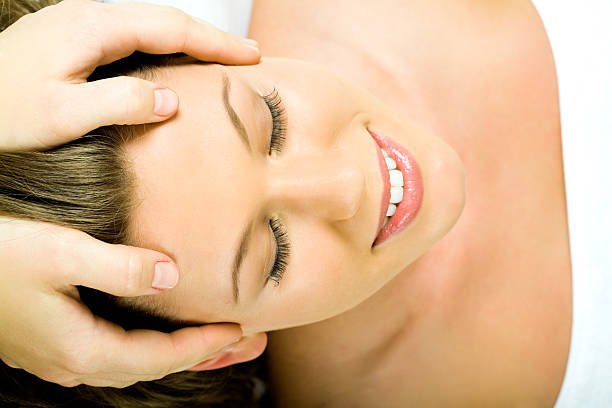
A head massage is a simple way to relax the scalp and the muscles around the head, neck and shoulders. Many people try it after a long day, during stressful periods or when they feel tension building around their temples and forehead. Gentle massage may help some people feel calmer and reduce muscle tightness, but its effects depend on the cause of the discomfort.
Although scalp massage is often associated with relaxation and better sleep, it is important to understand what research can and cannot tell us about its benefits. A head massage may be a useful part of a self-care routine, but it is not a replacement for medical advice or treatment when headaches are frequent, severe or unusual.
What Is a Head Massage?
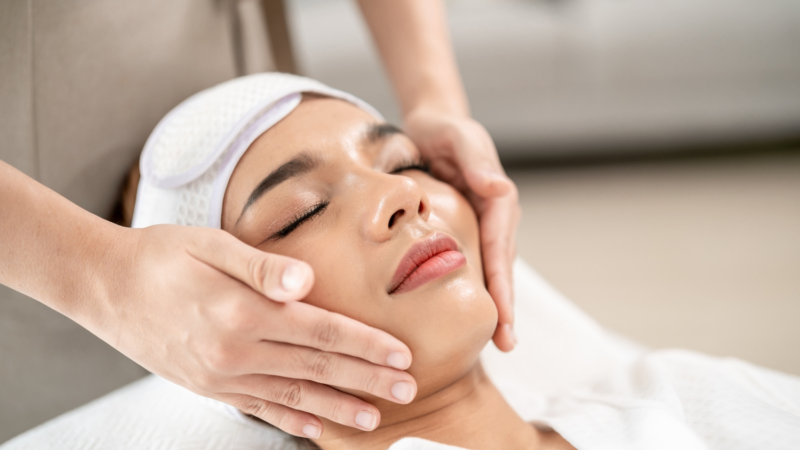
A head massage involves using the fingertips or hands to apply gentle pressure and movement to the scalp. Depending on the technique, it may also include the temples, forehead, back of the head, neck and shoulders.
Some people prefer a short scalp massage at home, while others choose a professional treatment that combines head, neck and shoulder massage. The pressure and duration can vary according to personal comfort.
Common techniques include:
- Circular movements: Moving the fingertips slowly in small circles across the scalp.
- Gentle kneading: Applying light pressure to areas around the base of the skull or upper shoulders.
- Temple massage: Using small, gentle movements around the temples without pressing on the eyes.
- Scalp movement: Gently moving the skin over the scalp rather than rubbing the hair aggressively.
- Neck and shoulder massage: Relaxing muscles that may feel tight after desk work, driving or prolonged screen use.
The aim should be comfort and relaxation, not intense pressure. A massage should never cause sharp pain, dizziness or increased headache symptoms.
What Are the Main Benefits of a Head Massage?
1. May Help Reduce Stress and Tension
One of the most common reasons people try a head massage is to unwind. Gentle, repetitive movements can provide a calming experience and create a short break from daily demands.
Massage may help some people feel less tense, particularly when stress contributes to tightness in the neck, shoulders or scalp. Taking time to sit comfortably, slow your breathing and relax your muscles can also support the experience.
However, a head massage does not remove the underlying causes of ongoing stress. It works best as one part of a wider routine that may include regular movement, adequate sleep and effective stress-management habits.
2. May Ease Some Types of Headache-Related Tension
People sometimes use scalp massage when they experience a tight or pressing sensation around the forehead, temples or back of the head. This can occur with tension-type headaches, although headaches have several possible causes.
Gentle massage around the scalp, neck and shoulders may provide temporary comfort for some people when muscle tension is contributing to their symptoms. The evidence specifically supporting scalp massage as a treatment for headaches remains limited, so results should not be guaranteed.
A massage is not suitable for every headache. If pressure or touch makes your symptoms worse, stop. Frequent headaches, headaches that interfere with everyday activities or a new pattern of pain should be discussed with a healthcare professional.
3. Can Encourage Relaxation Before Sleep
Some people find that a head massage helps them settle down before bedtime. The calming routine may make it easier to switch off from work, screens and other distractions.
Relaxation can be helpful when stress makes it difficult to wind down, but research does not establish that head massage reliably treats insomnia. If you regularly struggle to sleep, consider your sleep schedule, caffeine intake, evening habits and any underlying health concerns.
For a simple bedtime routine, try a few minutes of gentle scalp massage in a quiet environment. Stop if the movements feel uncomfortable or make you more alert.
4. May Relieve Tightness Around the Neck and Shoulders
Head discomfort can sometimes occur alongside tight neck and shoulder muscles. This is common after prolonged computer use, driving or working in a position that keeps the head forward.
A massage that includes the upper shoulders and the base of the skull may help some people feel less stiff. Gentle neck movement, regular breaks and adjustments to your workstation may also help reduce discomfort.
Avoid forceful pressure around the neck. Do not attempt aggressive neck manipulation, and seek professional advice if you have a neck injury, unexplained pain, numbness or weakness.
5. Provides a Simple Self-Care Routine
A head massage does not require expensive equipment. You can use your fingertips at home for a short, comfortable session.
A regular pause during a busy day may help you notice tension earlier and make time for relaxation. The benefit may come from the combination of gentle touch, reduced stimulation and taking a break rather than from one specific pressure point.
Keep expectations realistic. A head massage is a self-care option, not a cure for medical conditions.
Can a Head Massage Really Help with Headaches?
The answer depends on the type of headache and what is causing it.
Tension-type headaches are often described as a pressing or tightening sensation, sometimes affecting both sides of the head. Muscle tenderness around the scalp, neck or shoulders may occur as well. Gentle massage can feel soothing for some people, particularly when stress or muscle tightness is involved.
However, not all headaches are caused by tight muscles. Migraine, sinus-related symptoms, medication overuse and other health conditions can produce different patterns of pain. A head massage may not help these conditions and could make symptoms worse for some individuals.
Consider these practical points:
- Use light pressure and stop if the pain increases.
- Avoid rubbing directly over painful or irritated skin.
- Do not rely on massage alone if headaches keep returning.
- Record possible triggers, such as poor sleep, dehydration, skipped meals or prolonged screen use.
- Speak to a healthcare professional if you regularly need pain relief or headaches affect your daily activities.
Seek emergency medical care for a sudden, extremely severe headache or a headache accompanied by symptoms such as new weakness, difficulty speaking, confusion, loss of vision, seizure or a high fever with a stiff neck.
How to Give Yourself a Head Massage at Home
A short scalp massage can be easy to fit into a break or evening routine. Follow these steps gently.
Step 1: Find a Comfortable Position
Sit in a chair with your shoulders relaxed and your head in a neutral position. Take a few slow breaths before beginning.
Step 2: Start at the Front of the Scalp
Place your fingertips along the hairline. Use small circular movements, moving slowly across the front and sides of the scalp. Avoid pressing hard or scratching with your nails.
Step 3: Move Towards the Crown
Gradually work towards the top and back of the head. Keep your fingers in contact with the scalp and use a pressure level that feels comfortable.
Step 4: Massage the Temples Gently
Use the pads of your fingers to make small circles around the temples. Do not press on your eyes or apply strong pressure to the sides of the head.
Step 5: Relax the Base of the Skull
If comfortable, use gentle fingertip movements around the muscles at the base of the skull. Avoid forceful pressure and stop if you notice pain, dizziness or other unusual symptoms.
Step 6: Finish Slowly
After a few minutes, stop and notice how you feel. You do not need to use strong pressure or continue for a long time to enjoy a relaxing routine.
There is no universally established duration that guarantees headache relief. Start with a short session and adjust according to comfort rather than following a rigid schedule.
Should You Use Oil During a Head Massage?
Oil is optional. Some people use a small amount to reduce friction, while others prefer a dry scalp massage.
If you choose to use oil, consider the following:
- Select a product suitable for your scalp and skin type.
- Test a small amount first if you have sensitive skin.
- Avoid products that have previously caused irritation or allergic reactions.
- Keep oil away from your eyes.
- Wash it out if your scalp becomes itchy, red or uncomfortable.
Oil does not automatically make a massage more effective. There is also no need to apply oil if your scalp feels comfortable without it.
If you have a scalp condition, open wounds, a recent procedure or unexplained hair loss, ask a healthcare professional whether massage is appropriate.
Can Head Massage Improve Hair Growth?
Scalp massage is sometimes promoted as a way to increase hair growth. The idea is that massage may affect circulation or the scalp environment, but evidence that it produces meaningful hair regrowth remains limited.
A small study has explored the relationship between regular scalp massage and hair thickness, but this does not establish that massage can treat common causes of hair loss. Genetics, hormonal changes, nutritional deficiencies, medical conditions and certain medications can all affect hair growth.
If you are experiencing sudden, patchy or persistent hair loss, seek advice from a healthcare professional rather than relying on massage alone. Avoid pulling, twisting or rubbing the hair aggressively, as excessive friction can contribute to breakage.
Who Should Be Careful with Head Massage?
A gentle scalp massage is comfortable for many people, but it may not be suitable in every situation.
Use caution or seek medical advice before massage if you have:
- A recent head, neck or scalp injury.
- A recent operation or medical procedure.
- Open wounds, infection or significant scalp irritation.
- Unexplained tenderness or swelling.
- A headache that becomes worse with touch.
- A medical condition that makes pressure or massage unsafe.
Stop immediately if you feel sharp pain, nausea, dizziness or worsening symptoms. A massage therapist should be told about relevant injuries, sensitivities and health concerns before treatment begins.
Head Massage vs. Other Ways to Manage Tension
Head massage is one option for relaxation, but it does not need to be your only strategy.
Gentle stretching may help when you have been sitting for a long time. A short walk can provide a break from screens and work. Drinking water and eating regularly may help if dehydration or missed meals contribute to your discomfort. Consistent sleep habits can also support general wellbeing.
For recurring headaches, a healthcare professional can help identify the type of headache and discuss suitable treatment. Depending on the cause, management may include lifestyle changes, medication or other therapies.
The most useful approach is one that is safe, practical and appropriate for your symptoms.
Frequently Asked Questions
How long should a head massage last?
Start with a few minutes of gentle massage and adjust according to comfort. There is no proven duration that works for everyone, and longer or stronger sessions are not necessarily better.
Can a head massage stop a headache?
It may provide temporary relief for some people, especially when muscle tension is involved. It does not reliably treat every type of headache, and persistent or severe symptoms need appropriate medical assessment.
Is it safe to massage your head every day?
Gentle scalp massage may be comfortable for many people when performed without excessive pressure. Stop if it causes soreness, irritation or worsening headaches. Seek advice if you have an injury or scalp condition.
Is a head massage better with oil?
Not necessarily. Oil can reduce friction, but it is optional. Choose a suitable product and stop using it if irritation develops.
Does head massage help with hair loss?
There is not enough strong evidence to recommend scalp massage as a treatment for hair loss. Persistent or sudden hair loss should be assessed to identify the cause.
When should I avoid a head massage for a headache?
Avoid massage if it worsens the pain or if the headache follows a head injury. Seek urgent medical care for a sudden, severe headache or one accompanied by new neurological symptoms, confusion or other serious warning signs.
Final Thoughts
A head massage can be a simple way to relax, take a break from daily stress and ease some muscle-related tension. Some people find it soothing when they have mild tension-type headaches or tight shoulders, but research does not show that it is a reliable treatment for every headache.
Use gentle pressure, keep the session comfortable and stop if symptoms worsen. For frequent, unusual or severe headaches, seek medical advice rather than depending on massage alone. With realistic expectations, scalp massage can be one useful part of a broader self-care routine.