How to Prepare for Your First Natural Hormone Replacement Therapy Consultation in San Antonio
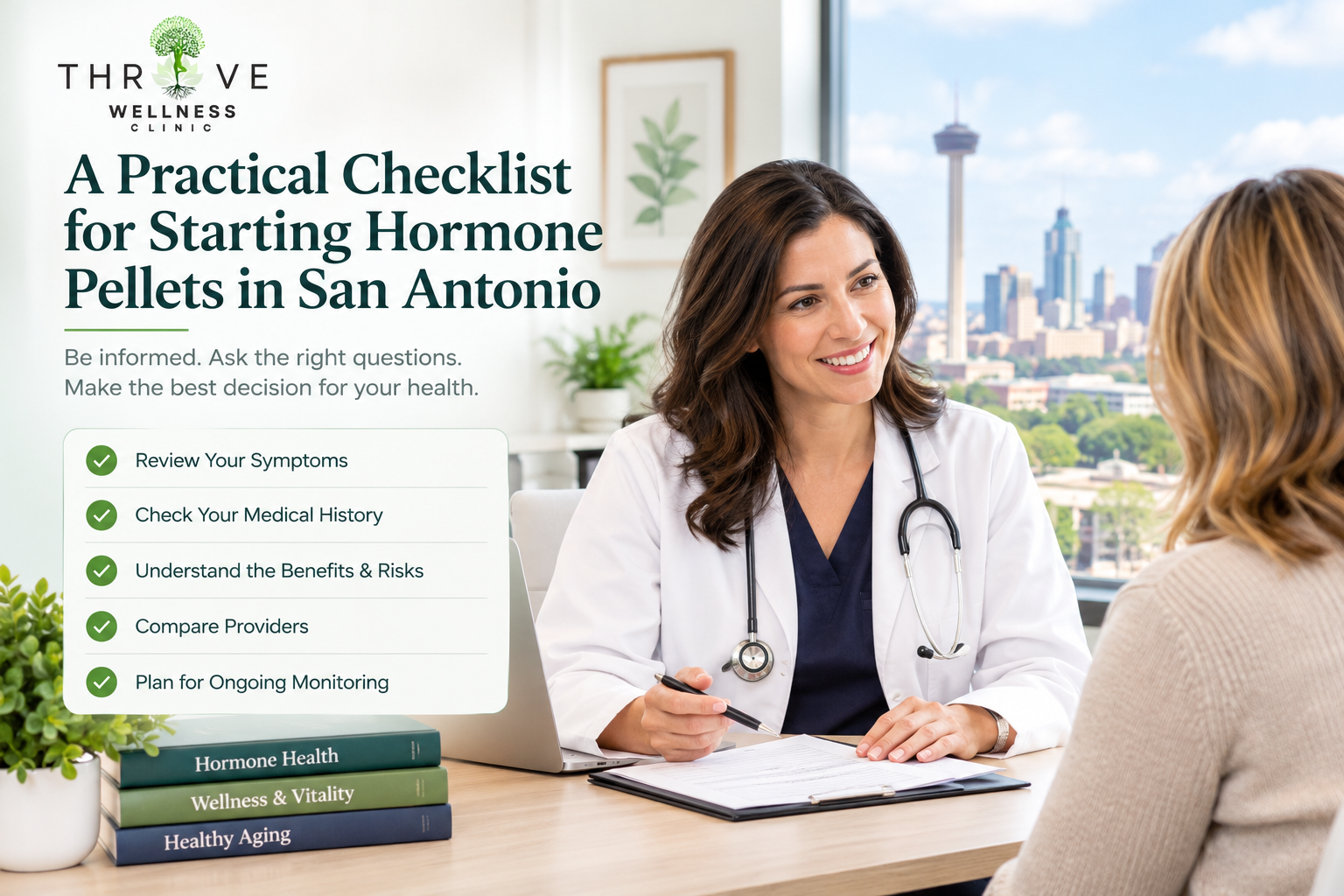
Preparing for your first natural hormone replacement therapy consultation can help you feel more confident, ask better questions, and understand your healthcare options. Whether you are experiencing changes in sleep, energy, mood, or other symptoms, an initial appointment is an opportunity to review your health history and explore possible causes with a qualified healthcare professional.
Many people researching bioidentical hormones want to understand whether hormone treatment may help them feel better and what the process involves. The right approach starts with an individualized evaluation—not assumptions based on symptoms alone or promises of quick results.
If you are looking for local guidance, San Antonio hormone care can help you explore regional healthcare resources. Before your appointment, organize your symptoms, medications, medical history, and questions so your provider can better understand your concerns and discuss appropriate next steps.
What Is Natural Hormone Replacement Therapy?
Natural hormone replacement therapy is a phrase commonly used to describe hormone treatment intended to address symptoms associated with hormonal changes or a diagnosed hormone deficiency. Some people use the term when referring to bioidentical hormone therapy, which involves hormones with the same molecular structure as hormones produced naturally by the body.
Bioidentical hormones may be available in FDA-approved medications or in compounded preparations. These products are not interchangeable: compounded medications are not FDA-approved as finished products and may have less evidence supporting their safety, effectiveness, and consistency. “Natural” or “bioidentical” does not automatically mean safer.
A consultation helps determine whether hormone treatment is appropriate, which options may be considered, and whether other health conditions could be contributing to your symptoms.
What Should You Bring to Your First Hormone Consultation?
Arriving prepared can help your provider understand your health concerns more efficiently. You do not need to know which treatment you want before the appointment; the goal is to discuss your symptoms and make informed decisions together.
Use this checklist before your visit:
- Symptom notes: Write down what you have noticed, when it started, how often it occurs, and how it affects your daily routine.
- Medication list: Include prescriptions, over-the-counter medicines, vitamins, and supplements.
- Medical history: Note relevant diagnoses, previous procedures, allergies, and past experiences with hormone treatments.
- Family history: Share any significant family medical conditions that could affect treatment decisions.
- Recent test results: Bring available laboratory reports if your provider has not already received them.
- Questions and goals: List what you hope to understand or improve and any concerns you want addressed.
Be honest about your symptoms and health history. This information can help your clinician determine whether hormone-related changes may be involved or whether another evaluation is needed.
What Questions Will a Provider Ask During the First Appointment?
Your provider will typically ask about your symptoms, medical history, current medications, and overall health. Depending on your situation, the discussion may include changes associated with menopause, sleep difficulties, energy levels, mood, or other concerns.
You may also be asked about when the symptoms began, whether they are changing, and how they affect daily life. Your clinician may review risk factors that could influence whether hormone treatment is appropriate.
This conversation is not simply a way to qualify you for treatment. It helps establish a broader understanding of your health and whether further assessment, lifestyle changes, another type of treatment, or hormone therapy should be considered.
Do You Need Blood Tests Before Starting Hormone Therapy?
Not everyone needs the same laboratory tests. Your clinician will decide whether testing is appropriate based on your symptoms, age, medical history, medications, and the specific concern being evaluated.
Depending on the clinical situation, testing may help assess selected hormone levels or investigate other possible causes of symptoms. A single result does not always explain how you feel, and a result within a reference range does not automatically rule out every possible condition.
Before agreeing to testing, ask:
- What does each test help evaluate?
- How will the results affect my care plan?
- Do I need to prepare or avoid anything before the blood draw?
- When and how will the results be explained?
If traveling to a laboratory is difficult, Mobile Phlebotomy may be available for eligible tests. You can learn about mobile blood draws and confirm with your provider whether at-home collection is suitable for your specific laboratory orders.
What Should You Ask About Bioidentical Hormones?
If you are considering bioidentical hormones, ask your provider to explain the available products, their intended uses, and the evidence supporting them. Treatment should be based on your health needs rather than marketing claims.
Helpful questions include:
- What may be causing my symptoms?
- Is hormone treatment appropriate for my situation?
- Which medication or formulation are you recommending, and why?
- Is the product FDA-approved or compounded?
- What benefits, side effects, and risks should I understand?
- Are there non-hormonal alternatives?
- How will we monitor my response and decide whether treatment should continue?
The term bioidentical hormone replacement therapy near me may appear in local searches, but proximity alone should not determine your choice. Look for a qualified clinician who explains uncertainties, reviews alternatives, and welcomes questions.
FDA-approved hormone medications have undergone review for specific uses. Compounded hormone preparations are custom-made and are not FDA-approved as finished products. Ask whether an approved option is available and why a compounded preparation might be considered in your particular case.
How Do You Choose a Hormone Therapy Provider in San Antonio?
When comparing providers in San Antonio, consider their qualifications, experience, communication style, and approach to follow-up care. A trustworthy clinician should explain why a treatment may be suitable, discuss potential risks, and avoid guaranteeing results.
Check whether the clinic offers a clear process for consultations, testing, reviewing results, and monitoring treatment. Ask who will answer questions after your appointment and what to do if symptoms change.
For people exploring services across Texas, Texas wellness care can be a useful starting point for researching regional healthcare options. Before booking, confirm the clinic’s address, appointment availability, costs, and whether any laboratory services are arranged separately.
What Happens After Your First Consultation?
Your first appointment may lead to several different next steps. Your provider might recommend further evaluation, review existing test results, discuss lifestyle measures, consider non-hormonal treatments, or determine that hormone therapy is worth discussing in more detail.
If treatment is appropriate, ask for a clear explanation of the proposed medication, how it will be used, what changes you might reasonably expect, and how possible side effects will be managed.
Follow-up is an important part of responsible care. Depending on the treatment, your clinician may recommend symptom reviews, selected laboratory tests, or adjustments based on your response. Do not start, stop, or change prescribed hormone medication without consulting your healthcare professional, unless you need emergency medical attention.
Be cautious of providers who promise guaranteed results, prescribe the same plan to everyone, or recommend extensive testing without explaining its purpose.
How Much Does a Natural Hormone Therapy Consultation Cost?
The cost of a first consultation in San Antonio varies by clinic and by what the appointment includes. Some providers charge separately for consultations, laboratory work, medication, and follow-up visits. Insurance coverage also varies according to the service and individual plan.
Before booking, ask for an estimate that covers:
- The initial consultation and health assessment.
- Any recommended laboratory testing.
- A follow-up appointment to review results.
- Medication costs, if treatment is prescribed.
- Ongoing monitoring or future consultations.
If a clinic offers a membership program, clarify what the fee includes and which services cost extra. Comparing the full expected cost can help you avoid surprises and make a decision based on both quality and affordability.
Frequently Asked Questions
Is natural hormone replacement therapy suitable for everyone?
No. Suitability depends on your symptoms, medical history, risk factors, and the treatment being considered. A qualified provider can discuss whether hormone therapy or another approach is appropriate.
Are bioidentical hormones safer than other hormone treatments?
Not automatically. Safety depends on the product, dose, route of administration, evidence for its use, and individual health factors. The word “bioidentical” does not guarantee fewer risks.
Should I start treatment before my test results are reviewed?
Do not start hormone medication on your own. Follow your clinician’s recommendations for evaluation and review of any tests needed to make an informed decision.
Conclusion
Preparing for your first natural hormone replacement therapy consultation in San Antonio begins with documenting your symptoms, gathering your medical history, and preparing questions about testing, treatment options, risks, and costs. A productive consultation should help you understand your choices without pressure to begin treatment immediately.
Choose a provider who prioritizes individualized, evidence-informed care and explains the importance of monitoring. You can explore THRYVE’s Hormone health services to learn more about its approach to hormone and metabolic health.
The goal is to leave your first appointment with a clearer understanding of your health concerns and practical next steps tailored to your needs.