How to Stop Garage Door Drafts and Improve Weather Protection

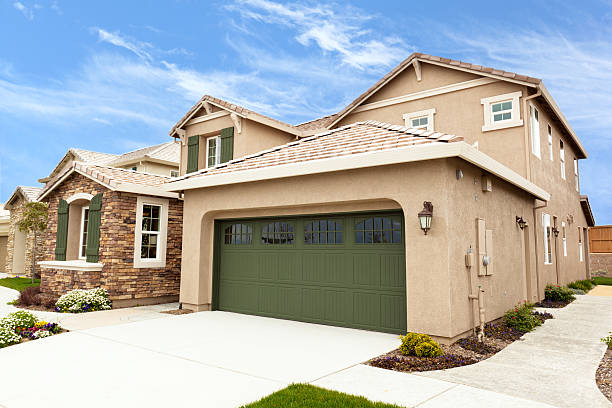
A garage door does more than protect your vehicle and belongings. It also helps keep outside air, rainwater, dust, insects, and debris from entering your garage. However, worn seals, damaged weatherstripping, and small gaps around the door can reduce its ability to protect your home. These problems may be especially noticeable during Florida’s rainy weather, humid conditions, and seasonal storms.
The good news is that homeowners can often improve garage door weather protection with regular inspections, appropriate sealing materials, and timely repairs. Understanding where drafts originate and how to address them can help maintain a more comfortable, cleaner, and better-protected garage.
Why Does Your Garage Door Let in Drafts?
Garage door drafts usually develop when the door no longer forms a proper seal against the floor or surrounding frame. Rubber components can deteriorate over time, while daily operation may gradually reveal alignment problems or damage.
Common causes include cracked bottom seals, loose side weatherstripping, gaps between door panels, and uneven garage floors. Strong winds can push outside air and moisture through even small openings. In addition, older or poorly insulated garage doors may allow more heat to pass through their panels.
If your garage feels unusually warm, humid, or dusty, inspect the door’s edges and bottom before assuming that the entire door needs replacement. Identifying the source of the problem helps you choose an effective and practical solution.
1. Replace a Worn Garage Door Bottom Seal
The bottom seal is one of the most important parts of a garage door’s weather protection system. This flexible rubber or vinyl strip runs along the bottom edge and compresses against the floor when the door closes.
Over time, exposure to sunlight, moisture, and repeated movement can cause the material to crack, harden, flatten, or tear. When the seal loses its flexibility, gaps may develop beneath the door, allowing rainwater, dust, insects, and outside air to enter.
Start by closing the garage door and checking the entire bottom edge from inside. Look for visible daylight, damaged rubber, or areas where the seal does not contact the floor evenly.
Replacing a worn seal with a compatible replacement can restore much of the door’s original protection. If the concrete floor is uneven, however, a new seal alone may not solve the problem. A professional inspection can help determine whether the issue involves the floor, the door’s alignment, or the seal itself.
2. Inspect the Side and Top Weatherstripping
The bottom edge is not the only place where drafts can enter. Garage doors also rely on weatherstripping around the sides and top of the opening to reduce air and moisture infiltration.
These strips create a flexible barrier between the closed door and its frame. When they become brittle, loose, torn, or curled away from the door, small openings can form along the perimeter.
Inspect the weatherstripping for visible damage and check whether it makes consistent contact with the closed door. Replace sections that are no longer flexible or properly positioned, using materials designed for your garage door system.
Avoid adding excessive layers of weatherstripping to force a tight fit. Too much pressure can interfere with the door’s movement or prevent it from closing correctly. If the gaps remain after replacing worn material, the door may need alignment or hardware adjustments.
3. Consider a Garage Door Threshold Seal
Sometimes, a garage door has a healthy bottom seal but still allows water or air to enter underneath. This can happen when the concrete floor slopes, has settled, or contains low spots.
A threshold seal provides an additional barrier by attaching to the garage floor directly beneath the closed door. The raised strip creates a more consistent surface for the bottom seal to meet and can help limit water intrusion during rain.
Before installing one, consider the garage’s drainage pattern. A threshold should not create a situation where water becomes trapped inside the garage. If water regularly flows toward the doorway, correcting drainage problems may be necessary alongside improving the seal.
A threshold is not suitable for every situation, so choose one based on the floor’s condition and the type of door you have.
4. Improve Insulation to Reduce Temperature Changes
Sealing gaps helps prevent drafts, but insulation can provide another layer of protection. An uninsulated garage door allows outdoor heat to transfer through its panels, making the garage less comfortable during warm weather.
Insulated garage doors typically contain materials designed to slow heat transfer. Depending on the construction, they may also help reduce outside noise and provide a more consistent indoor temperature.
When choosing an insulated door, consider its construction, insulation rating, durability, and suitability for the local climate. Homeowners who spend time working in their garages or have rooms connected to the garage may benefit from improved temperature control.
However, insulation cannot compensate for major gaps around the door. For the best results, address damaged seals and weatherstripping first, then consider insulation if heat transfer remains a concern.
For homeowners planning a larger upgrade, explore Garage Door Installation and Replacement to learn more about options for improving the condition and performance of a garage door.
5. Check the Door’s Alignment and Moving Components
A garage door may allow drafts even when its weatherstripping appears to be in good condition. If the door sits unevenly in the opening, one corner may leave a gap while the opposite side presses too firmly against the frame.
Look at the closed door from inside the garage. Check whether it appears level and whether the gaps along the sides and bottom are reasonably consistent. Also pay attention to unusual noises, jerky movement, or difficulty opening and closing the door.
These symptoms may indicate problems with the tracks, rollers, hinges, springs, or other components. Such issues should not be treated as simple weatherstripping problems.
Garage door springs and lift cables operate under substantial tension and can cause serious injuries if handled incorrectly. Do not loosen the bottom brackets, adjust the springs, or attempt to force the door into alignment yourself. Contact a qualified technician when the door appears crooked or does not operate normally.
6. Protect Your Garage From Rainwater and Humidity
Weather protection is particularly important for South Florida homeowners, where heavy rain, high humidity, and strong winds can expose weaknesses around garage doors.
Even when a door blocks most outside moisture, water can enter through damaged seals, poorly protected edges, or an uneven driveway. Persistent moisture may damage stored belongings, contribute to corrosion, and create conditions that encourage mold growth.
To reduce these risks, inspect the bottom seal after heavy rain and look for damp areas near the doorway. Keep nearby gutters clear, direct downspouts away from the garage, and make sure outdoor drainage carries water away from the entrance where possible.
Also inspect the lower door panels for rust, peeling finishes, cracks, or other damage. Keeping the garage reasonably ventilated and addressing moisture sources can help protect tools, equipment, and stored items.
Remember that weatherstripping is only one part of a broader protection system. Proper drainage, a well-maintained door, and suitable materials all contribute to better results.
7. Follow a Regular Garage Door Maintenance Routine
Preventive maintenance can help identify minor issues before they become expensive repairs. Inspecting your garage door periodically allows you to spot damaged seals, loose hardware, unusual movement, and other signs of wear.
A simple maintenance routine should include checking the bottom seal, examining the side and top weatherstripping, looking for gaps around the frame, and observing the door during normal operation. Keep the door’s exterior clean and follow the manufacturer’s instructions for maintaining its moving components.
Avoid using grease or lubricants on the tracks unless the manufacturer specifically recommends it. Use appropriate products for the components that require lubrication, and leave spring or cable adjustments to trained professionals.
For additional guidance, read Garage Door Maintenance Tips. Routine inspections and timely attention to worn parts can help support safer operation and better long-term performance.
8. Know When to Call a Professional
Some weatherproofing tasks, such as visually inspecting seals or cleaning the door, are straightforward. Other problems require professional attention, particularly when gaps result from damaged panels, misalignment, or worn hardware.
Consider scheduling an inspection if water continues to enter despite replacing the bottom seal, the door closes unevenly, the weatherstripping repeatedly comes loose, or the door makes unusual noises during operation.
A technician can assess the complete system, identify the source of the gap, and recommend repairs based on the door’s condition. In some cases, replacing a worn component may be sufficient. In others, an older or severely damaged door may benefit from replacement.
If you live in the area, visit the Wellington, FL service area page to learn more about Ariel Garage Door Services and its local coverage.
Frequently Asked Questions
How can I tell if my garage door needs new weatherstripping?
Visible daylight around the closed door, cracked or flattened rubber, drafts, and water entering during rain are common signs. Inspect the bottom, sides, and top to identify the affected area.
Will a new bottom seal stop all garage door drafts?
A new bottom seal can significantly reduce drafts entering beneath the door if the existing seal is worn. However, drafts may continue if there are gaps along the sides, top, or panel joints, or if the door is misaligned.
Can garage door weatherstripping prevent water damage?
Properly fitted weatherstripping helps limit water entering through gaps. However, heavy rain, poor drainage, and uneven concrete may require additional measures. Weatherstripping alone cannot guarantee a completely waterproof garage.
Does garage door insulation help in Florida?
Insulation can reduce heat transfer through the door panels and may help improve comfort in the garage. Sealing air gaps remains important because insulation alone does not prevent drafts from entering around the edges.
How often should I inspect my garage door seals?
Inspect the seals periodically and after severe weather, especially if you notice drafts or water intrusion. Replace worn materials when they no longer create an effective seal.
Conclusion
Stopping garage door drafts begins with identifying where outside air and moisture enter. Replacing worn bottom seals, maintaining side and top weatherstripping, addressing uneven floors, and improving insulation can all contribute to better weather protection.
For homeowners in South Florida, regular inspections are particularly useful for managing rain, humidity, and heat. When gaps persist or the door shows signs of mechanical damage, professional service can help identify the underlying cause.
With appropriate maintenance and timely repairs, your garage door can provide better protection for your belongings while supporting a more comfortable and well-maintained home. Ariel Garage Door Services can help homeowners address garage door concerns and determine which repairs or upgrades are appropriate for their needs.