Knockdown Rebuild: A Smarter Way to Create Your Dream Home
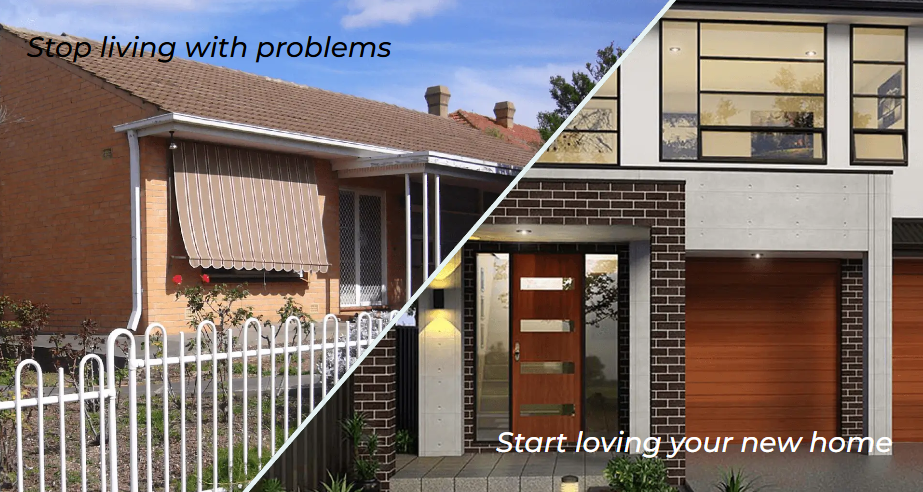
Sometimes, the home you own no longer suits the way you want to live. Perhaps the layout feels outdated, the rooms are too small, or ongoing repairs are becoming expensive. Moving to another suburb may not be appealing, especially when you love your location. This is where a knockdown rebuild can offer a practical solution. Instead of renovating an existing property or purchasing a new one, you can replace your old house with a brand-new home designed around your lifestyle, preferences, and future needs.
Why More Homeowners Are Rethinking Their Existing Properties
A familiar neighbourhood, convenient amenities, nearby schools, and established gardens can make an existing property worth keeping. However, an older house may not provide the comfort, functionality, or modern features your family needs.
A knockdown rebuild allows homeowners to retain their land while creating a completely new living space. Rather than working around the limitations of an existing structure, you can explore contemporary layouts, improved storage, energy-efficient features, and personalised design options.
For many Australian homeowners, this approach offers a balance between staying in a preferred location and enjoying the benefits of a newly constructed home.
What Does a Knockdown Rebuild Actually Involve?
A knockdown rebuild involves demolishing an existing house and constructing a new one on the same block of land. The process generally includes property assessments, design planning, demolition approvals, site preparation, construction, and final inspections.
Unlike a major renovation, which preserves much of the original structure, rebuilding gives you the opportunity to rethink almost every aspect of your home.
The process typically follows these steps:
- Property assessment: Determine whether the land is suitable for your preferred home design.
- Design and planning: Select a floor plan, features, finishes, and structural options.
- Approvals and permits: Obtain the necessary permissions before demolition and construction.
- Demolition and site preparation: Remove the existing building and prepare the block.
- Home construction: Build the new house according to the approved plans.
- Final inspections: Complete required checks before moving into your new home.
Working with an experienced builder can help coordinate these stages and make the overall process easier to manage.
The Biggest Benefits of Starting Fresh on Your Own Land
Rebuilding offers several advantages for homeowners who want a modern home without giving up their established location.
1. Keep the Location You Already Love
Finding a suitable block in a preferred suburb can be difficult and expensive. Rebuilding allows you to remain close to local amenities, family, friends, workplaces, and schools while enjoying a new home.
2. Design Around Your Lifestyle
An older house may have small bedrooms, disconnected living areas, or limited storage. A new design can prioritise open-plan living, larger kitchens, home offices, additional bathrooms, and better indoor-outdoor connections.
3. Enjoy Modern Comforts and Efficiency
New homes can incorporate improved insulation, energy-efficient lighting, modern glazing, and efficient heating and cooling systems. These features may improve comfort and reduce energy consumption, depending on the design and how the home is used.
4. Reduce the Need for Major Renovations
Older properties can require substantial repairs to roofing, plumbing, electrical systems, and structural elements. Rebuilding replaces the existing structure, although ongoing maintenance and future repairs will still be necessary.
5. Plan for the Future
A thoughtfully designed home can accommodate changing family needs, accessibility requirements, additional workspace, or flexible living areas.
Knockdown Rebuild or Renovation: Which Makes More Sense?
Choosing between rebuilding and renovating depends on the condition of your existing house, your budget, and the improvements you want to achieve.
| Consideration | Knockdown Rebuild | Renovation |
| Existing structure | Replaced entirely | Retained and modified |
| Design flexibility | Greater freedom to start fresh | Limited by existing structure |
| Character features | Original features may be lost | Features may be preserved |
| Construction work | Demolition and new construction | Repairs, alterations, and upgrades |
| Potential challenges | Approvals, site conditions, demolition | Hidden defects and structural limitations |
A renovation may be more appropriate when the existing structure is sound and you only need targeted improvements. Rebuilding may be worth investigating when the house has significant limitations or your desired layout would require extensive alterations.
The best option should be determined through professional assessments and a realistic comparison of total costs.
Understanding the Costs Before Construction Begins
The overall cost of a knockdown rebuild depends on the size of the new home, demolition requirements, site conditions, design complexity, materials, and local approval requirements.
Your budget should account for more than the advertised construction price.
Consider these potential expenses:
- Demolition and waste removal
- Site preparation and earthworks
- Building design and approval fees
- Construction materials and labour
- Plumbing, electrical, and utility connections
- Landscaping, driveways, fencing, and outdoor areas
- Temporary accommodation and storage
- Contingency funds for unexpected expenses
Request a detailed quote that clearly explains inclusions, exclusions, allowances, and possible additional charges. It is also sensible to discuss a contingency budget with your builder so unexpected costs do not derail your plans.
From Floor Plans to Finishes: Creating a Home That Feels Personal
One of the most appealing aspects of rebuilding is the opportunity to make design decisions before construction begins. Instead of adapting your lifestyle to an existing layout, you can create spaces that support your daily routines.
When planning your new home, think about:
- Living areas: Decide whether an open-plan layout or separate living spaces better suit your family.
- Kitchen design: Prioritise practical storage, bench space, lighting, and movement.
- Bedrooms: Consider privacy, wardrobe space, natural light, and future family needs.
- Outdoor connections: Explore alfresco areas, patios, and garden access.
- Energy performance: Consider insulation, window placement, ventilation, and efficient appliances.
- Long-term flexibility: Include adaptable spaces that can serve different purposes over time.
A successful design balances appearance with functionality. Choosing features that genuinely improve everyday living is often more valuable than following short-lived design trends.
Approvals, Site Conditions, and Other Details Worth Checking
Before committing to demolition, confirm that your proposed project is feasible. Planning controls, zoning, heritage restrictions, easements, access limitations, and other local requirements may affect what you can build.
You should also investigate whether the site has difficult soil conditions, sloping ground, drainage concerns, or service connection requirements that could influence construction costs.
A reliable builder can help identify potential issues early, coordinate relevant professionals, and explain which approvals are required. However, requirements vary by location, so confirm the applicable rules with the relevant council and building authorities.
How to Choose a Builder Who Understands Your Vision
The builder you choose can significantly influence your experience, budget management, and final result. Look beyond attractive display homes and promotional offers when comparing providers.
Before making a decision, ask these questions:
- What experience do you have with knockdown rebuild projects?
- Which services and project stages are included in your proposal?
- How are design changes and additional costs handled?
- What is the estimated construction timeframe, and what factors could affect it?
- Can you provide examples of completed homes and relevant client references?
Compare written proposals carefully and ensure you understand the contract, warranties, payment schedule, and communication process. A transparent builder should be willing to explain the details and help you make informed decisions.
Conclusion: Start Your Next Chapter with Format Homes
A knockdown rebuild can provide an exciting opportunity to enjoy a brand-new home without leaving a neighbourhood you already love. From personalised floor plans and contemporary finishes to improved comfort and long-term functionality, rebuilding allows you to shape your living environment around your priorities.
However, careful planning is essential. Understanding your budget, checking site restrictions, comparing rebuilding with renovation, and choosing an experienced builder can help you approach the project with greater confidence.
If you are considering a fresh start on your existing block, Format Homes is a name to explore as you research your building options. Take time to discuss your requirements, compare available designs, and understand the services offered before deciding on the right path for your property.