Should You Skip Dinner to Lose Weight? Understanding the Facts and Healthier Alternatives
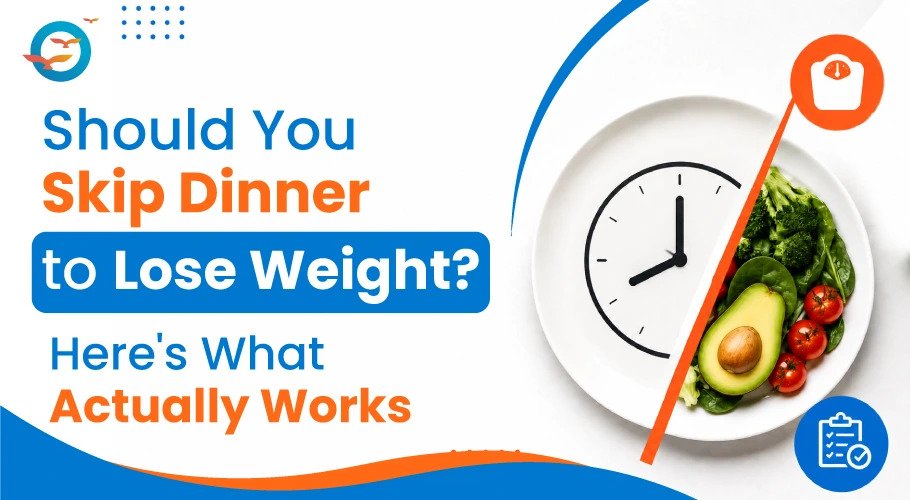
Should You Skip Dinner to Lose Weight? Understanding What Really Works
Skipping dinner is often promoted as a quick way to lose weight. Many people believe that avoiding one meal can reduce calorie intake and help them shed extra kilos faster. However, is skipping dinner really a healthy and sustainable approach?
The answer depends on your overall eating habits, nutritional needs, and daily routine. Although skipping dinner may reduce your calorie intake temporarily, it does not guarantee long-term weight loss.
Instead of eliminating an entire meal, understanding what to eat, how much to eat, and when to eat can make a bigger difference. Let’s explore what happens when you skip dinner and what healthier alternatives you can follow.
Does Skipping Dinner Really Help With Weight Loss?
Skipping dinner may help create a calorie deficit if it reduces your overall daily food intake. A calorie deficit means consuming fewer calories than your body uses.
However, eating fewer meals does not automatically mean losing more body fat.
Some people feel extremely hungry after skipping dinner and compensate by eating larger portions the next morning. Others may experience cravings for sweets, fried snacks, or calorie-dense foods.
Therefore, the effectiveness of skipping dinner depends on your overall calorie intake and whether the eating pattern is sustainable.
What Happens to Your Body When You Skip Dinner?
Regularly skipping dinner can affect your hunger, energy levels, and daily routine, particularly if you are not eating enough during the rest of the day.
1. You May Experience Increased Hunger
Going to bed without eating can make some people feel hungry, especially if their earlier meals were insufficient.
This hunger may lead to overeating the following morning or increased snacking throughout the day.
2. Your Energy Levels May Drop
Your body needs adequate energy and nutrients to perform everyday activities. If skipping dinner results in insufficient food intake, you may experience tiredness, weakness, or difficulty concentrating.
3. It May Affect Your Sleep
Going to bed feeling very hungry can make it difficult for some people to fall asleep comfortably.
Poor sleep can also affect appetite regulation and make it harder to maintain healthy eating habits the following day.
4. You May Miss Important Nutrients
Dinner can provide essential nutrients, including protein, fibre, vitamins, and minerals.
If you regularly skip this meal without getting enough nutrients during the rest of the day, your overall diet may become unbalanced.
Why Eating a Healthy Dinner Can Support Weight Loss
Dinner does not have to be a heavy meal. A balanced evening meal can help you meet your nutritional requirements without consuming excessive calories.
The key is choosing foods that provide protein, fibre, and essential nutrients.
Here are some healthy dinner options:
- Dal and vegetables: A combination of protein, fibre, and essential nutrients.
- Paneer or tofu with salad: Provides protein and can help keep you satisfied.
- Vegetable khichdi: A wholesome meal containing carbohydrates, protein, and vegetables.
- Moong dal chilla: A protein-containing option that can be paired with vegetables or curd.
- Vegetable soup with sprouts: A light meal that provides fibre and plant-based protein.
Choose portions according to your individual nutritional requirements and activity levels.
Are There Any Benefits of Skipping Dinner?
Some people follow time-restricted eating or intermittent fasting, where they consume meals within a specific eating window.
These eating patterns may help some individuals manage their calorie intake and weight. However, the benefits are not necessarily due to skipping dinner itself.
The overall quality of the diet, total calorie intake, eating schedule, and individual health conditions all matter.
Skipping dinner is not suitable for everyone, particularly people who have difficulty maintaining adequate nutrition or experience changes in blood glucose levels.
What Is Better: Skipping Dinner or Eating a Light Dinner?
For most people, eating a balanced, moderately portioned dinner is a more practical approach than regularly skipping meals.
| Skipping dinner | Eating a balanced dinner |
| May cause hunger | Helps manage hunger |
| Can make nutrient intake inadequate | Provides essential nutrients |
| May lead to overeating later | Supports consistent eating habits |
| Not suitable for everyone | Can be adjusted to individual needs |
If your goal is weight loss, focus on reducing unnecessary calories while continuing to eat nutritious meals.
Healthy Habits to Follow for Sustainable Weight Loss
Weight management is not dependent on one meal. Your daily habits play an important role in determining long-term results.
1. Eat Balanced Meals
Include vegetables, protein-rich foods, whole grains, and healthy fats in appropriate portions.
2. Avoid Frequent Unnecessary Snacking
Pay attention to hunger and fullness. Reduce frequent consumption of packaged snacks, sweets, and sugary beverages.
3. Stay Physically Active
Walking, cycling, yoga, and strength training can support weight management and overall health.
4. Maintain a Consistent Sleep Schedule
Aim for adequate sleep every night. Good sleep supports appetite regulation, recovery, and metabolic health.
5. Drink Enough Water
Stay hydrated throughout the day. Water is a better everyday choice than sugary drinks.
6. Focus on Consistency
Avoid crash diets and extreme restrictions. Small changes that you can maintain over time are generally more effective for long-term weight management.
Final Thoughts
So, should you skip dinner to lose weight? Not necessarily.
Although skipping dinner may reduce calorie intake temporarily, it is not a requirement for weight loss. For many people, it can lead to increased hunger, cravings, inadequate nutrient intake, and difficulty maintaining a healthy routine.
A balanced dinner with vegetables, protein, and appropriate portions of carbohydrates can support your nutritional needs while helping you manage your weight.
Remember, sustainable weight loss is about your overall eating pattern, not simply eliminating one meal. Focus on healthy food choices, regular physical activity, and quality sleep to build habits that last.
Read more, visit our blog.
https://www.freedomfromdiabetes.org/blog/post/does-skipping-dinner-help-weight-loss/5353