What Does a Healthcare Assistant Do in the UK? Roles, Responsibilities and Daily Duties
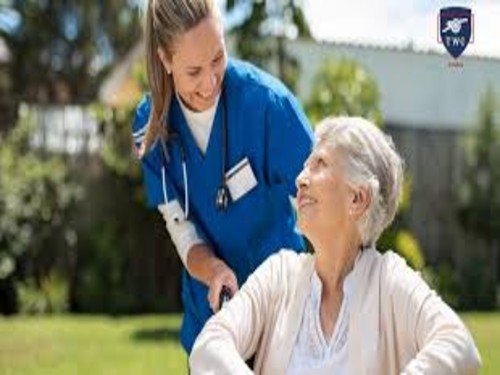
A Healthcare Assistant (HCA) is a healthcare professional who supports patients with their daily care needs under the supervision of registered nurses and other qualified healthcare professionals. In the UK, healthcare assistants work in hospitals, GP surgeries, community healthcare services, care homes and other clinical environments.
Their responsibilities include helping patients with personal care, monitoring basic health observations, supporting mobility, maintaining hygiene and providing emotional support. The exact duties depend on the workplace, patient needs and level of training.
1. What Is a Healthcare Assistant?
A Healthcare Assistant is a member of the healthcare team who helps patients maintain their health, comfort, dignity and independence.
HCAs work alongside nurses, doctors and other healthcare professionals to provide essential patient support. They often spend considerable time with patients, helping them with everyday activities and reporting changes in their condition to senior staff.
Healthcare Assistants may also be known as:
-
Healthcare Support Workers
-
Nursing Assistants
-
Clinical Support Workers
-
Nursing Support Workers
Although these job titles can overlap, responsibilities may vary between employers and healthcare settings.
2. What Are the Main Responsibilities of a Healthcare Assistant?
The daily responsibilities of a Healthcare Assistant depend on the clinical environment and the needs of the patients.
Common duties include:
Personal Care and Hygiene
Healthcare Assistants help patients with everyday personal care activities, including:
-
Washing, bathing and showering.
-
Dressing and changing clothes.
-
Maintaining oral hygiene.
-
Using the toilet and managing continence needs.
-
Maintaining personal comfort and dignity.
Monitoring Basic Health Observations
Under appropriate training and supervision, HCAs may monitor and record basic health observations, such as:
-
Body temperature.
-
Pulse rate.
-
Blood pressure.
-
Respiratory rate.
-
Oxygen saturation.
-
Weight.
They must report unusual readings or changes in a patient’s condition to the appropriate healthcare professional.
Supporting Patient Mobility
Some patients need assistance moving safely. Healthcare Assistants may:
-
Help patients get in and out of bed.
-
Support walking and movement.
-
Assist with repositioning.
-
Use mobility aids and equipment when trained.
-
Follow safe moving and handling procedures.
Supporting Nutrition and Hydration
Healthcare Assistants help patients maintain adequate nutrition and hydration by:
-
Preparing patients for meals.
-
Helping patients eat and drink when required.
-
Recording food and fluid intake when instructed.
-
Reporting difficulties with eating or swallowing.
-
Following individual dietary requirements.
Maintaining a Clean and Safe Environment
HCAs help maintain a safe and comfortable environment by:
-
Keeping patient areas tidy.
-
Following infection prevention procedures.
-
Practising effective hand hygiene.
-
Using personal protective equipment (PPE).
-
Disposing of clinical waste correctly.
3. Where Do Healthcare Assistants Work in the UK?
Healthcare Assistants can work in different healthcare environments. Their responsibilities change depending on the patients they support.
| Workplace | Typical responsibilities |
|---|---|
| NHS hospitals | Personal care, patient observations and mobility support |
| GP surgeries | Health checks, blood pressure monitoring and clinical room preparation |
| Care homes | Daily living assistance, personal hygiene and wellbeing support |
| Community healthcare | Supporting patients in their own homes |
| Mental health services | Supporting patients with daily activities and emotional wellbeing |
| Hospices | Providing comfort and practical support for patients receiving end-of-life care |
The NHS recognises healthcare support workers as an important part of patient care across hospitals, GP practices and community services.
4. What Does a Healthcare Assistant Do During a Typical Shift?
A typical shift involves a combination of patient care, communication, observation and teamwork. The exact routine depends on the workplace.
For example, a hospital-based Healthcare Assistant may follow this routine:
Beginning of the shift
-
Attend the handover with nursing staff.
-
Review assigned patients and their care requirements.
-
Prepare equipment and patient care areas.
-
Check which patients need assistance.
During the shift
-
Help patients with washing, dressing and personal hygiene.
-
Support patients with meals and hydration.
-
Record basic health observations when assigned.
-
Assist patients with mobility.
-
Communicate concerns to registered nurses.
-
Update relevant patient records.
End of the shift
-
Make sure patient information and observations are recorded accurately.
-
Report any changes or concerns to the nursing team.
-
Clean and organise equipment according to workplace procedures.
-
Provide an appropriate handover to incoming staff.
A healthcare assistant’s shift can change quickly when patient needs or clinical priorities change.
5. What Qualifications Do You Need to Become a Healthcare Assistant in the UK?
There is no single mandatory qualification for every Healthcare Assistant position in the UK. Entry requirements depend on the employer, healthcare setting and job description.
Many employers provide workplace training for new staff.
Common routes into the profession include:
-
Health and Social Care qualifications: These can help develop an understanding of patient care, safeguarding and professional responsibilities.
-
Healthcare Assistant training: Training can introduce personal care, communication, infection prevention and basic clinical support.
-
Care Certificate: New healthcare support workers in England may complete the Care Certificate as part of their workplace induction and development.
-
Apprenticeships: Healthcare Support Worker apprenticeships offer a combination of practical workplace experience and structured learning.
-
Voluntary experience: Volunteering in a care or community setting can help develop relevant experience.
The National Careers Service identifies college courses, apprenticeships and workplace entry as possible routes into this occupation.
6. What Skills Does a Healthcare Assistant Need?
Working as a Healthcare Assistant requires practical abilities as well as strong interpersonal skills.
Important skills include:
-
Communication: Explaining information clearly and listening to patients.
-
Empathy: Understanding patients’ feelings, concerns and individual needs.
-
Patience: Providing support calmly, particularly when patients need additional assistance.
-
Teamwork: Working effectively with nurses, doctors and other healthcare professionals.
-
Attention to detail: Recognising and reporting changes in patients’ conditions.
-
Organisation: Managing daily responsibilities and maintaining accurate records.
-
Confidentiality: Respecting patients’ personal information and privacy.
-
Adaptability: Responding appropriately when patient needs or workplace priorities change.
These skills are particularly important because Healthcare Assistants work closely with patients who may be vulnerable, unwell or dependent on additional support.
Get careers information and advice+1
7. What Is the Difference Between a Healthcare Assistant and a Nurse?
Although Healthcare Assistants and nurses work together, their responsibilities and professional roles are different.
| Healthcare Assistant | Registered Nurse |
|---|---|
| Provides practical and personal care | Provides professional nursing care |
| Supports patient mobility and hygiene | Assesses, plans and evaluates nursing care |
| Records basic observations when trained | Interprets clinical information within nursing responsibilities |
| Reports changes to registered professionals | Makes clinical decisions within their professional scope |
| Works under appropriate supervision | Holds professional registration with the NMC |
Healthcare Assistants do not replace registered nurses. They work as part of the wider healthcare team and must follow their training, competence and workplace policies.
8. Can a Healthcare Assistant Progress to a Nursing Career?
Yes. Working as a Healthcare Assistant can provide valuable practical experience for people interested in developing a career in healthcare.
Possible career progression routes include:
-
Senior Healthcare Support Worker.
-
Nursing Associate.
-
Registered Nurse.
-
Assistant Practitioner.
-
Specialist healthcare support roles.
-
Other allied health professional careers through further education and training.
Progression depends on relevant qualifications, experience, entry requirements and available training opportunities.
Get careers information and advice+1
9. What Are the Challenges of Working as a Healthcare Assistant?
Although the role offers opportunities to support patients, it also involves several challenges.
Some common challenges include:
-
Physical demands: Helping patients move, reposition and maintain personal hygiene can require physical effort.
-
Emotional situations: Supporting people who are seriously ill, distressed or approaching the end of life can be emotionally difficult.
-
Busy working environments: Hospitals and care settings can involve changing priorities and demanding workloads.
-
Shift patterns: Some positions require evening, weekend, night or bank holiday work.
-
Responsibility: Healthcare Assistants must follow care plans, maintain confidentiality and report concerns promptly.
Understanding these challenges helps individuals prepare for the practical and emotional aspects of the profession.
10. Why Is Training Important for Healthcare Assistants?
Training helps Healthcare Assistants understand how to provide safe, respectful and appropriate patient support.
Important training areas include:
-
Personal care and patient dignity.
-
Infection prevention and control.
-
Safeguarding adults and children.
-
Health and safety.
-
Basic life support.
-
Communication and record keeping.
-
Moving and handling.
-
Understanding patient needs.
Healthcare Assistants should only undertake clinical activities for which they have received appropriate training and authorisation.
Frequently Asked Questions (FAQs)
1. What are the main duties of a Healthcare Assistant in the UK?
The main duties include helping patients with personal hygiene, dressing, eating, drinking and mobility. Healthcare Assistants may also monitor basic health observations, maintain patient records and report changes in patients’ conditions to registered healthcare professionals.
2. Do you need qualifications to become a Healthcare Assistant in the UK?
Not every Healthcare Assistant position requires previous formal qualifications. Some employers provide on-the-job training, while others may prefer relevant Health and Social Care qualifications or experience.
3. Can you become a Healthcare Assistant without experience?
Yes. Some NHS and private healthcare employers recruit applicants without previous healthcare experience. They generally provide induction, training and supervision to help new employees develop the necessary skills.
4. Do Healthcare Assistants work in hospitals only?
No. Healthcare Assistants work in NHS and private hospitals, GP surgeries, care homes, community healthcare services, hospices and patients’ homes.
5. Can a Healthcare Assistant become a registered nurse?
Yes. With the appropriate qualifications, experience and successful completion of an approved nursing degree, a Healthcare Assistant can progress towards becoming a registered nurse.
6. What is the difference between a Healthcare Assistant and a Support Worker?
Healthcare Assistants generally provide practical and clinical support in healthcare environments, while Support Workers often focus on helping individuals manage daily living and maintain independence. However, responsibilities can overlap depending on the employer and workplace.
Conclusion
Healthcare Assistants play an important role in the UK healthcare system by supporting patients with personal care, daily activities, basic health observations and emotional wellbeing. Their work helps nurses and other healthcare professionals deliver coordinated patient care across different healthcare settings.
Understanding the responsibilities, required skills, training opportunities and career progression routes can help individuals decide whether this profession matches their interests and career goals.